

Introduction
In Indian equestrian life, age matters—from deciding when a horse is ready for first rides to planning stud careers. Many buyers, riders, and breeders rely on visible signs of aging. One of the most practical sources of information is a horse’s teeth. They wear, erupt, and change in recognizable patterns over time. This article explains the basics of equine dentition and how to read tooth signs responsibly. It aims to help you form a reliable rough estimate for planning, while stressing that exact age is best confirmed by a veterinarian and the horse’s records.
Understanding equine dentition
Horses have a full set of adult teeth: 40 in total (12 incisors, 4 canines, 12 premolars, 12 molars). Deciduous (baby) teeth appear in the early months and are replaced by permanent teeth as the horse grows. The chewing action of grazing and grinding shapes the biting surfaces, making wear patterns a useful, though imperfect, age clue. Always treat tooth signs as part of a broader picture that includes history and veterinary input, especially for older horses or those with dental issues.
Key dental terms to know
- Cups: indentations on the biting surfaces of the lower incisors. They gradually wear away with age.
- Dental stars: dark markings on the chewing surfaces of the incisors, becoming more visible with wear.
- Galvayne’s groove: a vertical groove that may appear on the upper incisor and progress downward with age; its appearance and progression vary by horse.
- Occlusal wear, hooks, and steps: general wear patterns on the incisor surfaces reflective of use and mouth shape.
- Eruption sequence: the order in which incisors and molars appear as the horse matures.
Age estimation basics: how to read the signs
Age estimation from teeth focuses on the front teeth (incisors) and, to a lesser extent, the surrounding dentition. Signs are best interpreted together—along with the horse’s history, body condition, and overall health. Because individual variation is common, use tooth signs to arrive at a reasonable range rather than a precise number.
Reading cups and dental stars
In younger horses, cups on the lower central incisors are prominent and gradually disappear with age. As cups wear away, dental stars on the upper incisors become visible. Over time, wear increases, and the pattern becomes more uniform across incisors. Remember: diet, chewing habit, and dental care can alter wear patterns, so this is a broad guide rather than an exact timetable.
Galvayne’s groove: what you might see
Galvayne’s groove may appear on the upper third incisor and runs downward with age. The groove’s appearance and progression vary between horses, and it may be faint or absent in some individuals. Use it as one of several cues, not a standalone determinant.
Age estimation by life stage (rough guide)
These ranges are commonly cited as starting points for discussion and planning. They are approximate and influenced by nutrition, dental care, and work load. Always corroborate with records and professional input.
- Young horses (roughly up to 7–8 years): Cups on lower central incisors are mostly gone; dental stars begin to appear; wear becomes more even on the incisors.
- Mid-life (about 8–15 years): More incisors show wear; Galvayne’s groove may be detectable on the upper incisors; tooth surfaces show progressive wear with fewer deep cups.
- Aged horses (15+ years): Pronounced wear, often with full absence of cups; Galvayne’s groove may reach deeper levels. Some horses show more irregular wear due to diet or dental history.
Again, these are approximate signs. A horse kept on good forage and regular dental care can wear differently from one with limited grazing or dental issues. Use teeth signs in concert with records and veterinary insight.
Practical steps to estimate age (hands-on guide)
When evaluating a horse’s age, aim for a reasonable estimate rather than a precise number. Follow these steps and note your observations for reference or to share with a veterinarian.
- Prepare properly: Ensure good light. If you’re not trained or the horse is uncooperative, seek a professional dental check.
- Inspect the incisors: Look for cups on the lower incisors and dental stars on the upper incisors. Note whether cups are present, partially worn, or absent across central, intermediate, and corner incisors.
- Assess Galvayne’s groove: If visible, observe its position on the upper third incisor. Use it as part of a broader assessment rather than a standalone indicator.
- Check overall wear: Note edge level, rounding, hooks, wave mouth, or abnormal wear, which can indicate diet or dental history that affects aging interpretation.
- Cross-check with history: If records exist, compare inferred age with documented age, vaccination, and show or sale history. In the absence of records, treat tooth signs as a guide to be refined later.
- Consult a professional: For more precise age, arrange a veterinary dental examination. A qualified vet or equine dentist can integrate dentition signs with jaw development and overall condition.
For a practical sense of animal availability and to compare ages and properties, you can browse available horses here: Browse horses.
Care and maintenance to support dental health
Dental health is part of overall health. Regular checks, balanced feeding, and proactive care reduce the risk of severe wear and dental disease, which can complicate aging estimates and performance.
- Schedule periodic dental examinations with a qualified equine dentist or veterinarian, especially for older horses or those showing signs of dental discomfort.
- Offer appropriate forage: Roughage that promotes steady chewing helps maintain natural wear without excessive pressure on specific teeth.
- Monitor for dental disease: Dropping feed, quidding, head tossing, or poor performance can indicate dental problems that affect aging interpretation.
- Consider professional floating when recommended: Corrective floating can improve mastication comfort and lead to more predictable wear patterns.
Buying, breeding and stud considerations
When evaluating horses for purchase or breeding, combine dentition signs with temperament, conformation, training readiness, and health history. Teeth-based age estimation should not be the sole criterion; corroborate with records and a veterinary assessment. If you’re exploring breeding options, you may want to explore stud farms to compare genetic and management approaches: Explore stud farms or View stallions. For broader context and reliable information about the marketplace, you can also Visit IETA.
FAQ
Below are concise answers to common questions about horse teeth and age estimation. For more detail, consult a veterinary dentist or your local equine clinic.
FAQ 1: Can you reliably estimate a horse’s age by looking at its teeth alone?
Teeth provide useful clues but are not precise. Age estimation should be treated as approximate and complemented by overall condition, history, and veterinary confirmation.
FAQ 2: What are cups in horse teeth, and why do they matter for aging?
Cups are indentations on the biting surfaces of the lower incisors that gradually wear away with age. Their presence or absence provides a rough guide to age when observed with other signs.
FAQ 3: What is Galvayne’s groove, and how is it used?
Galvayne’s groove is a vertical feature on the upper incisor that may appear with age and progress downward. Its presence is a rough indicator and varies with wear, diet, and individual history.
FAQ 4: What should a buyer do if they need a more accurate age?
Ask for a veterinary dental examination and, if possible, review records or pedigree history. Use dental signs as part of a broader assessment that includes conformation, gait, and overall health.
Conclusion
In practice, reading a horse’s teeth is a valuable, but not infallible, tool for estimating age. Use it as a guide alongside records, history, and professional input. With careful observation and reliable records, you can make better-informed decisions whether you’re buying, selling, or planning a breeding program. For more options and insights on horses and breeders in India, explore the marketplace and connect with breeders through our platform.
Explore India’s Equine Marketplace
Discover horses, stallions, stud farms and trusted equine services on IETA.

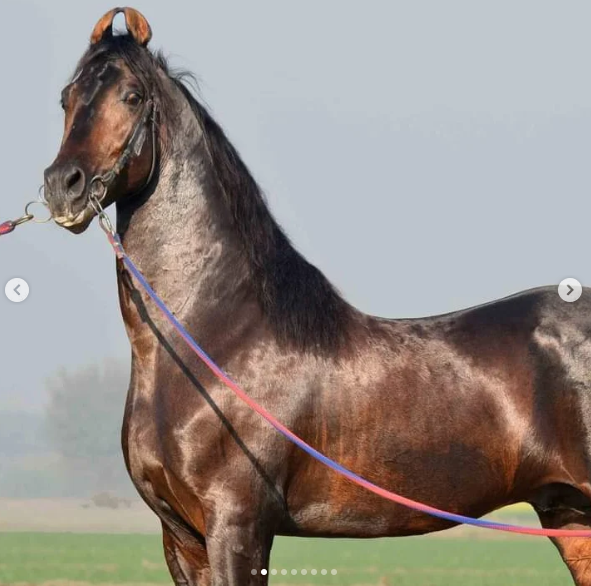 Marwari Horse
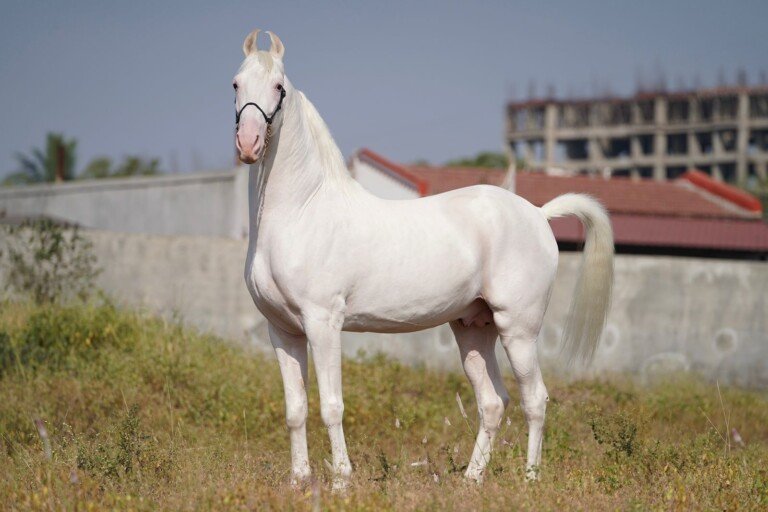 Marwari Horse
 Arabian Horse