

Introduction

In India’s varied climates and diverse riding scenes, a robust preventive health plan is a cornerstone of sound equine care. Vaccination and deworming are not one-size-fits-all tasks; they require a thoughtful calendar that aligns with your horse’s age, living conditions, travel and show plans, and local disease risk. A well-structured plan reduces disease risk, supports steady performance, and minimizes disruptions to work, training, and breeding programs. This article offers a practical approach to building a vaccination and deworming plan tailored for Indian horse owners, breeders, and stud farms.
Throughout, the emphasis is on working with your veterinarian to develop a schedule that suits your operation. For context and examples of the marketplace options that can support your horses, you may explore available horses or stud resources via our site: Browse horses, Explore stud farms, View stallions, and Visit IETA.
Vaccination planning: building a practical calendar
The vaccination plan for a horse should balance core protections with regional risk factors and the horse’s life stage. In India, core considerations usually include vaccines that protect against diseases such as tetanus and influenza, with additional vaccines discussed with your veterinarian based on geography and use (e.g., breeding stock, young foals, or horses that travel for events). The exact timing and number of doses depend on maternal antibody levels, the horse’s health, and local disease exposure. Work with your vet to determine the right mix and cadence for your situation.
Foals and young horses
Foals begin vaccines after maternal antibodies wane, which varies between individuals and herds. Your veterinarian will outline the primary series—often a sequence of 2 to 3 doses given a few weeks apart—followed by annual boosters. In practice, many farms aim to complete the primary series before the foal is weaned or soon after, to minimize handling stress during weaning. The key is a clear plan that links with other health measures (weighing, dentistry, dentition checks, deworming) for the same time window.
Adults and boosters
Adult horses typically require booster vaccines at intervals recommended by the vaccine manufacturer and your veterinarian. The risk environment—whether your horses are stabled in city stables, on riverine farms, or living on expansive pastures—affects how often you vaccinate. If your horses travel for events, breedings, or sale, clinicians often prefer a vaccination update within a few weeks prior to travel. Maintain a simple cadence: schedule boosters when you schedule other routine health checks to minimize stress and handling.
Practical tip: keep a shared calendar for all horses on the property and set automatic reminders for vaccines well in advance of travel or upcoming shows. The goal is consistent protection without last-minute scrambling or missed doses.
Deworming planning: parasite management that respects your land
Parasite control in horses hinges on monitoring, pasture management, and targeted deworming rather than routine, indiscriminate deworming. Regular fecal egg counts (FEC) tell you which horses are shedding parasite eggs and which parasites are present, helping you tailor deworming plans. In India, where climate, rainfall, and pasture management vary widely, a tailored approach can reduce drug use, lower resistance risk, and keep horses healthier and more productive.
From fecal counts to a practical schedule
An effective deworming plan starts with a fecal egg count test and interpretation by a veterinarian. Use the results to decide which horses need treatment, which drugs to use, and how often to deworm. In many operations, the focus shifts from blanket deworming to targeted treatment aligned with seasonal changes, turnout patterns, and breeding cycles. Keep in mind that egg shedding can fluctuate with seasons and stress, so retesting at logical intervals helps refine the plan.
Pasture and stable management play a crucial role. Rotating pastures to break life cycles, removing manure regularly, and feeding on clean ground all contribute to lower parasite loads. Good drainage, clean bedding, and minimizing overcrowding reduce exposure and encourage consistent health in the herd.
Drug rotation, resistance, and stewardship
Use drugs judiciously and as prescribed by your vet. Rotating drug classes helps slow resistance development in parasites. Your plan should specify the drug class, the target parasite(s) based on FEC results, and the interval before repeating the test. Communicate with your veterinarian about local resistance patterns and any changes you observe in horse condition following deworming.
Practical tip: align deworming rounds with routine health checks, dental care, and vaccinations to streamline farm labor and reduce stress for horses. Consider label-specific guidance and ensure you store medicines securely and label doses clearly for different horses.
Record-keeping and coordination on the farm
A clear, shared record system is essential. Each horse should have a vaccination card or digital record with dates, vaccine names, lot numbers, and next due dates. Similarly, keep a deworming log that notes the horse, drug used, dose, batch number, and the fecal test results that informed the decision. Regularly review these records with your veterinarian and updating staff training to keep everyone aligned.
For stud farms and breeding operations, coordinate vaccination and deworming with foal care schedules and stallion duties. Synchronizing preventive care with reproductive management reduces stress for mares and foals and supports better performance outcomes.
Practical checklist: turning plan into action
- Consult a veterinarian to tailor a vaccination and deworming plan to your location and horse population.
- Identify core vaccines appropriate for your horses and establish a primary series for foals, with clear booster timelines for adults.
- Schedule travel and show-related vaccines well in advance and maintain up-to-date records.
- Implement a fecal egg count testing regime and use results to guide deworming choices.
- Adopt pasture and stall hygiene practices to reduce parasite exposure.
- Keep a centralized, easy-to-access record for all horses; train staff to maintain it consistently.
- Link preventive care with other routine health checks (dental, weight, hoof care) for efficiency.
- Utilize the marketplace resources as needed for buying or selling horses and learning about stud services: Browse horses, Explore stud farms, View stallions, Visit IETA.
Special considerations for breeding stock, youngsters, and travel
Breeding stock often requires careful planning around vaccination to minimize reproductive stress and to protect mares, foals, and stallions against disease exposure in the breeding season. Young horses (foals and yearlings) may need a different vaccination and deworming cadence than working adults. If your horses travel to shows or fences, keep vaccines current and prepare a quick health record summary to share with event organizers or veterinary teams, if required. When in doubt, defer to your veterinarian’s guidance for timing with transport or breeding events.
Conclusion
A practical vaccination and deworming plan is not a luxury; it is a foundation for reliable performance, steady growth, and long-term health. The Indian equine landscape calls for a thoughtful approach that respects climate, pasture management, and the realities of breeding and training programs. By collaborating with a trusted veterinarian, keeping clear records, and integrating preventive care with daily farm operations, you can protect your horses efficiently and sustainably. For further resources on horse care, breeding, or health-related topics, revisit the core sections and links provided above to stay connected with the broader equine community.
Explore India’s Equine Marketplace
Discover horses, stallions, stud farms and trusted equine services on IETA.

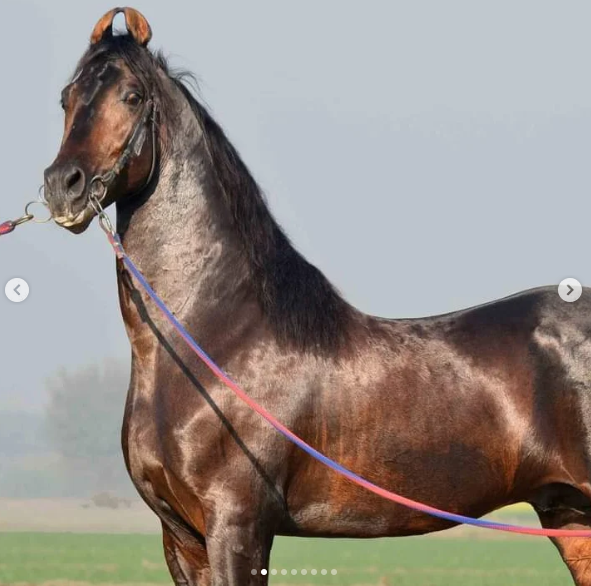 Marwari Horse
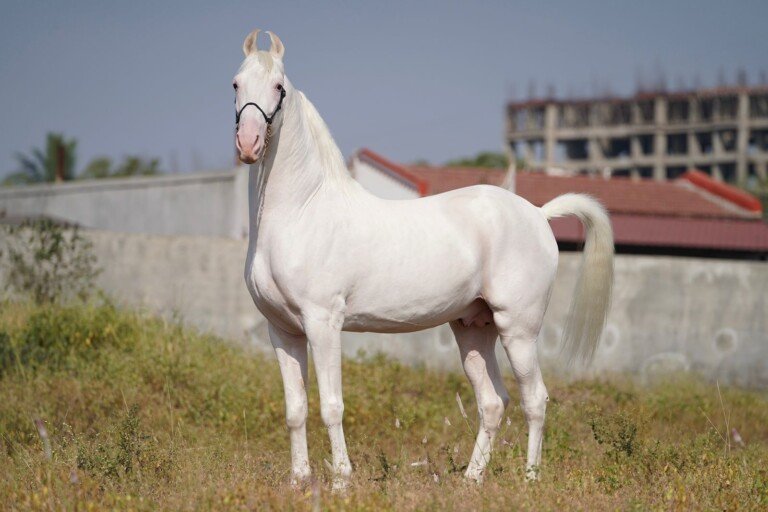 Marwari Horse
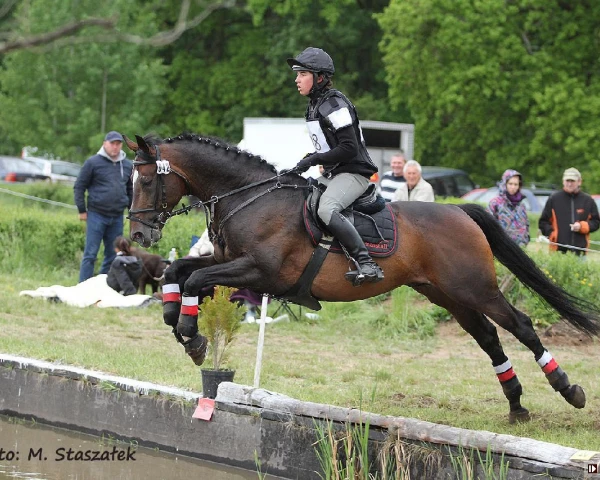 Arabian Horse