

Introduction
Buying a horse in India is one of the most rewarding investments a rider, owner or breeder can make. The right horse can be a partner in sport, a dependable companion for work, and a valuable addition to a breeding program. But a sound decision rests on more than pedigree, rideability, or price. A comprehensive pre-purchase veterinary examination (PPVE) is the safety net that helps you avoid hidden costs, unexpected setbacks, and later heartbreak.
The aim of this article is practical and field-ready: to walk you through a thorough PPVE, tailor-made for our market, with a clear checklist you can use when evaluating a potential purchase. We’ll also discuss how to plan the process, what to expect financially, and how to negotiate with sellers after the exam. If you’re scouting for horses, you can start by browsing options at Browse horses, or explore possibilities at Explore stud farms and View stallions to understand the broader market. For more resources, visit Visit IETA.
Why a pre-purchase vet exam matters in India
In India, the horse market blends sport, work and breeding with diverse environments, transport challenges, and variable access to veterinary specialists. A PPVE helps you separate a horse’s visible strengths from underlying issues that could compromise performance, welfare, or resale value. It is not just about ruling out problems; it’s also about understanding the horse’s condition in the context of how you plan to use it—whether as a competition prospect, a trail partner, a broodmare, or a school-horse for a stable.
A careful PPVE reduces the risk of costly surprises after purchase and gives you a professional basis for negotiation. The exam should be viewed as a joint assessment by you and a trusted veterinarian, conducted at a time and place that minimizes stress and gives the horse its best chance to show its true condition.
The core components of the exam
A well-structured PPVE has several layers. Each layer adds information that, when combined with history and your intended use, helps form a reliable value assessment. The following sections outline practical components you should expect or request during the examination.
1) General health and body condition
Expect a head-to-tail assessment of overall health, body condition, and conformation. The vet should note signs of systemic illness (skin, coat, mucus membranes, digestion), hydration status, dental wear, and any chronic or historical conditions that might affect performance or welfare. Consider how the horse carries weight in different positions and when ridden or driven. The examiner should record body condition score where possible and describe any irregularities in musculature, symmetry, or hoof shape that could influence balance and gait.
2) Lameness and gait evaluation
Gait analysis is the most telling part of a PPVE. The horse should be observed at walk, trot, and canter on a straight line and on circles. Look for consistency of limb extension, head nods, shoulder or hip tilt, shortened strides, or non-symmetrical rhythm. The vet should palpate limbs for heat, swelling, nerve or tendon tenderness, and assess posture and carriage. If there is any doubt about a limb, plan for diagnostic imaging (radiographs or ultrasound) or a flexion test as advised by the veterinarian. In India, a fair amount of field evaluation occurs on site, but don’t hesitate to request a second opinion or a follow-up imaging session if a suspect issue arises.
3) Cardiovascular and respiratory assessment
The heart and lungs provide critical information about stamina and fitness. The vet will typically auscult the heart in multiple positions and listen for murmurs, rhythm irregularities, or abnormal sounds. Respiratory evaluation includes observing breathing at rest and after mild exertion, noting any exercise-induced sounds, nasal discharge, or coughing. If a horse has a history of respiratory issues, consider a more detailed assessment or testing as advised by the veterinarian. What you want is a clear, actionable report on whether the horse can sustain your intended level of work without undue risk.
4) Oral health, teeth, and age estimation
Dental status influences rideability and long-term health. Inspect for missing teeth, sharp points, hooks, or malocclusions, and document any recent dental work. Teeth also help inform age estimates; while not a precise substitute for paperwork, a reasonable age range helps with planning, breeding decisions, and class eligibility for certain events.
5) Eyes, vision, and overall ophthalmic health
Eye health is vital, especially for horses intended for competition or schooling work. The vet should check corneal clarity, pupil response, eyelid function, and signs of disease such as uveitis or early cataract formation. Visual inspection helps anticipate behavior in unfamiliar environments and during transport or competition settings.
6) Musculoskeletal system and work fit
Beyond lameness, the overall musculoskeletal health—including back, withers, neck, and shoulder mechanics—affects performance and comfort. The vet should note any stiffness, range of motion limits, or areas that may need physiotherapy, saddle adjustments, or strength conditioning. For buyers planning jumping, eventing, or endurance work, a targeted assessment of joints, tendons, and ligaments is especially important.
7) Reproductive status (mares and stallions)
For broodmares, verify reproductive soundness, current cycle status, and any history of infertility or abortion. For stallions, assess libido, semen quality when offered, and any prior reproductive health concerns. While this is not a substitute for a full breeding evaluation, it provides essential context for breeding plans and market value.
8) Vaccination, parasite control, and overall preventive care
Review vaccination records, de-worming history, hoof care, dental care cadence, and any ongoing medical treatments. The goal is to confirm the horse is up-to-date with preventive care and to flag any gaps that could impact health once it enters your stable. Ask for vaccination schedules and de-worming plans that align with your local climate and pasture management.
9) Imaging and when it’s appropriate
Radiographs (X-rays) of the feet and joints are commonly recommended when the exam reveals questionable lameness or when a horse’s use involves higher mechanical demands. Ultrasound may be considered for soft tissue evaluation if indicated. In some cases, a standing flexion test or nerve blocks could be discussed to isolate specific issues. Imaging helps you quantify risk and understand the true condition of the horse’s musculoskeletal system.
10) On-paper checks and documentation
Physical findings are important, but so is the paper trail. A PPVE should be accompanied by a clear report detailing findings, recommendations, and any limitations. Check for the presence of a proper ownership or transfer document, passport or identity records, microchip details (if applicable), and any health certificates that accompany the horse during sale. A well-documented exam is itself a valuable asset for both buyer and seller.
The pre-purchase timeline and planning
Timing is everything. A disciplined timeline helps you coordinate with the seller, your chosen veterinarian, and the transport logistics that Indian buyers often juggle. Here’s a practical framework you can adapt to your situation.
When to start
Begin with a shortlist, and identify a reputable equine vet or hospital with experience in the horse’s intended discipline. If you’re working with a seller, ask them to arrange a PPVE with your vet or a mutually agreed third party. A week or two in advance gives you time to coordinate travel, stabling, and the horse’s conditioning for a full exam without unduly stressing the animal.
How to arrange the exam
Prefer on-site evaluation where possible, so you can observe the horse’s behavior in a familiar environment. If joining a seller’s stock, request a quiet, well-lit area with appropriate space for a gait pass. If the horse must travel, arrange for a calm transport arrangement that minimizes stress. Ensure the veterinarian has access to the horse’s medical history, vaccination records, and any prior imaging or treatment notes.
Costs and expectations
Costs vary by region, veterinarian, and the scope of the examination. Plan for a professional PPVE as a prudent investment rather than a mere formality. Some buyers opt for a focused exam (covering core systems) followed by targeted imaging if the initial findings require it. Budget for potential imaging, initial treatment recommendations, and potential travel if the exam is not in the horse’s home facility.
On-site exam checklist: practical guide for buyers
Having a structured checklist helps you stay objective during the exam. Use the following on-site guide as a practical reference. It’s written to be realistic for Indian buyers and sellers and to fit a range of horses, from cob to sport horse prospects.
- Verify identity: match passport or registration papers, microchip number, and physical description to the horse.
- Observe calmness and responsiveness: assess how the horse handles handling, grooming, loading, and routine tasks in a stall or paddock.
- Movement evaluation: watch in hand, then under saddle if appropriate, at walk, trot, and canter. Note any resistance, pain signals, or asymmetry.
- Clinical inspection: skin, coat, eyes, teeth, and overall condition. Look for signs of chronic disease or pain that aren’t immediately obvious.
- Heart and lungs: auscultation in several positions; observe respiration rate at rest and after light work.
- Musculoskeletal palpation: knees, fetlocks, hocks, stifles; check for heat, swelling, or warmth along tendons and joints.
- Dental and oral status: check for sharp enamel, molar wear patterns, and overall dental health.
- Ophthalmic check: confirm vision clarity and absence of obvious eye disease.
- Vaccination and parasite control records: confirm current status and alignment with local disease risks.
- Behavioral compatibility: gauge temperament for your discipline and stable routine.
- Documentation readiness: ensure the seller provides medical history, transfer documents, and a clear PPVE report.
- Plan for imaging when indicated: if red flags appear, request radiographs or ultrasound as advised by the vet.
Bringing a checklist like this to the examination helps you capture data systematically. It also creates a logical basis for decisions if you need to negotiate a price reduction, request additional work, or walk away from a deal.
Documentation and records to collect
Along with the exam findings, gather documentation that supports your purchase decision and protects you in the long run. Ensure you obtain:
- PPVE report detailing findings, limitations, and recommendations.
- Medical history: prior illnesses, surgeries, vaccines, de-worming schedules, and notable responses to treatment.
- Transfer and ownership documents: a clean chain of ownership if the horse is changing hands.
- Identification records: passport, microchip details, registration numbers (if applicable).
- Any consents or waivers for imaging, NSAIDs use, or restricted activities until further notice.
With these documents, you’ll be in a stronger position to negotiate and to arrange ongoing care with your veterinarian after purchase.
After the exam: next steps in negotiation and care
The PPVE report should guide your next steps. If the horse is sound for your intended use with minor concerns, you can negotiate a price that reflects the cost of anticipated care or remedial work. If significant issues are identified, you have a few options: request the seller to address the problems, negotiate a price reduction, or walk away. In some cases, a contingency clause in the sale agreement—covering follow-up imaging or trial periods—helps balance risk for both sides.
Remember that some issues can be mitigated with a tailored conditioning plan, saddle fitting adjustments, or targeted veterinary treatment. For buyers who plan long-term involvement with the horse, aligning the expectation of ongoing preventive care with your budget is essential. The right PPVE report should include realistic recommendations and a practical timeline for reevaluation, rehabilitation, and future milestones.
Practical tips for Indian buyers
The Indian market presents a unique mix of opportunities and challenges. Here are a few grounded tips to help you navigate more smoothly:
- Choose a veterinarian with local experience and a track record of clear communication. Bring your questions in writing so you get precise answers during the exam.
- Be clear about your discipline and workload expectations. A horse’s value is heavily tied to how well the animal’s condition aligns with your planned use.
- Ask about the stability of the horse’s management in the weeks leading up to the exam. Poor stable conditions can mask or provoke health issues that may not reflect the horse’s true baseline.
- Factor in transport and acclimation time. A horse that travels long distances in a stressed state may not perform to its usual capability during the exam.
- Use marketplace resources selectively. IETA’s platform offers a broad view of available horses and stud facilities, which can help you triangulate your best options.
If you’re evaluating multiple candidates, consider a side-by-side comparison based on the PPVE findings, movement quality, temperament, and management requirements. This approach helps you prevent emotion from clouding a rational decision. For a broader look at available horses across India, you can browse our listings and events, or connect with reputable breeders and studs through the same portal.
Conclusion
A well-executed pre-purchase veterinary examination is the cornerstone of a wise horse purchase. It protects you from hidden costs, supports responsible ownership, and helps align your expectations with reality. While the process requires time, planning and a modest investment, the payoff—clarity about a horse’s true condition and how it fits your goals—can be substantial. By following this checklist, arranging the right professionals, and demanding thorough documentation, you place yourself in a strong position to make a purchase you can enjoy and rely on for years to come.
FAQ
1) What should I expect during a basic PPVE if I’m buying my first horse?
A basic PPVE typically covers general health, a gait assessment, and a review of vaccination and parasite control records. The veterinarian should provide a written report outlining findings and recommendations. If anything appears questionable, you can request follow-up imaging or a second opinion before finalizing the purchase.
2) How do I choose the right veterinarian for the exam?
Choose a vet with experience in performance horses and a clear, communicative style. Ask about their approach to imaging, their familiarity with your discipline, and whether they can arrange a on-site examination. A good vet will explain findings in plain language and provide practical next steps.
3) What are red flags that should stop a purchase?
Keep an eye out for persistent lameness, signs of chronic pain or respiratory disease, poor dental health affecting chew or ride, unrepaired injuries that limit movement, or behavior that suggests instability in handling or stress tolerance. If multiple concerns arise, and the vendor cannot address them satisfactorily, reconsider the deal.
4) How should I plan the exam timeline in a busy market?
Plan at least 1–2 weeks for vet coordination and potential imaging or follow-up. If you’re traveling, schedule the exam to coincide with a comfortable rest period before transport. Have a backup date in case the horse becomes stressed or the vet needs more time to assess complex issues.
Explore India’s Equine Marketplace
Discover horses, stallions, stud farms and trusted equine services on IETA.

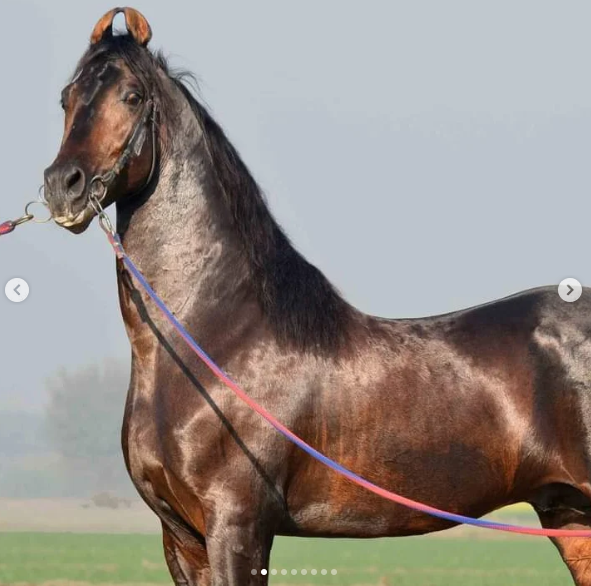 Marwari Horse
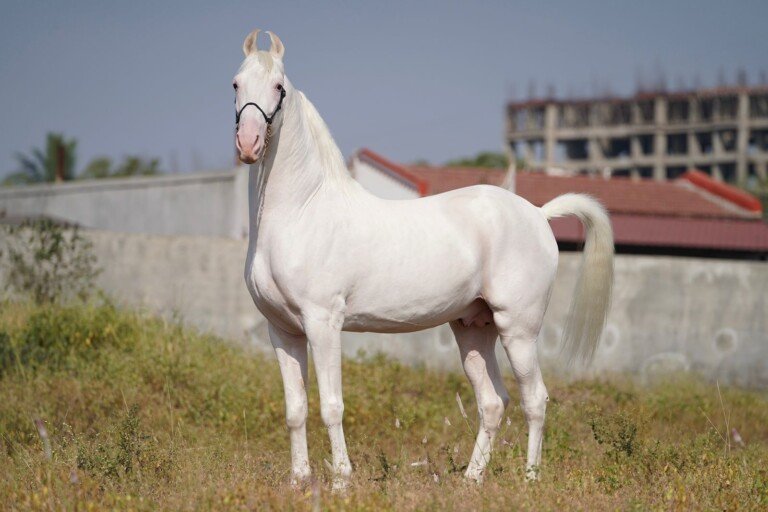 Marwari Horse
 Arabian Horse