

In India’s bustling equine marketplace, the first impression a listing makes is often based on a handful of photos. Buyers skim dozens of listings in minutes; a clear, honest presentation helps your horse stand out for the right reasons. The goal is not glamour alone but a truthful, compelling narrative that reflects the horse’s temperament, training, and suitability for a rider or competing discipline. This guide focuses on how to photograph and present a horse for sale in a way that resonates with buyers who are looking for reliability, sensible expectations, and a good match for their needs. For listings, consider linking to established listings like Browse horses to compare types and prices, and to visit stud farms if you are exploring future breeding needs. See also the vendor program for selling convenience on the platform.
Planning the shoot
Before you pick up a camera or a smartphone, plan what you want to convey. A successful sale photo set tells a story: the horse’s build, movement, and most reliable temperament. Ask yourself what discipline or riding level the horse suits best—trail riding, dressage, showing, or leisure riding—and tailor your pictures accordingly. A well-planned shoot saves time for both seller and buyer and reduces back-and-forth queries later on.
Choose a time of day with gentle, diffused light. Early morning or late afternoon often yields the most flattering, even lighting without harsh shadows. If you shoot indoors, use bright, even lighting and a neutral background. Consider a quiet, safe space such as a familiar paddock or a well-maintained stall to minimize the horse’s stress and to capture natural behavior. In your planning, also think about the order of shots: begin with calm, close-up portraits, then progress to movement, and finish with a broader view of how the horse behaves under saddle or on a lead.
When possible, review the horse’s current online listings or posts for reference, and be mindful of what buyers want to know quickly. A strong listing typically includes a short video or a short clip along with photos, so plan for both. If you are ready to compare options or to explore other listings and services, you can browse horses on the site or learn about breeding and stud options through Explore stud farms or View stallions.
Setting the scene: background, turnout, and stability
A busy or cluttered background distracts from the horse. A clean, simple background helps the animal stand out and makes it easier for buyers to assess conformation. If you’re outdoors, a grassy field, a well-maintained arena, or a plain fence line works well. Indoors, a stable or empty arena with a neutral wall is ideal. Keep the ground level and free of hazards that could trip the horse during movement shots.
Consistency across images helps buyers compare horses. Use the same backdrop for multiple photos if you can. For turns and movement shots, keep the surface even and avoid sand or loose footing that might alter the horse’s gait momentarily. Always prioritize safety: a calm, confident handler, a properly fitted bridle or halter, and a lead held at a comfortable length will help the horse stay relaxed during the shoot.
Grooming, tack, and the horse’s presentation
First impressions are made with grooming. A clean coat, trimmed fetlocks, shiny hooves, and a neat mane show care and attention to detail. If the horse is shod, ensure the hooves are clean and polished. Tack should be appropriate to the horse’s level and discipline: a simple snaffle bridle or halter is often best for calmness in photos. Avoid flashy or unfamiliar equipment that could distract from the horse’s natural features. A clean, dry saddle pad or no saddle in certain shots can highlight the horse’s build without obscuring conformation details.
Involve a reliable handler who can guide the horse and give it anchors to look toward the camera. A steady, patient approach reduces the risk of nervous behavior and yields more expressive photos. If the horse has a preferred side for turning or a distinctive neck or shoulder line, work toward capturing that in your opening shots to help buyers form an initial impression of balance and carriage.
Portraits, conformation, and movement shots
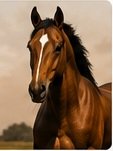
Plan a suite of shots that covers the horse from multiple angles and in motion. Start with a calm head-and-shoulders portrait that captures the horse’s eye color, face, and neck turnout. Next, include a three-quarter view that shows conformation, shoulder slope, and topline, and a full-body shot to convey the overall balance. For movement, a steady trot with a clean tracking and a minimal arc is ideal. If possible, include a canter or a light, relaxed jump sequence if the horse has that experience; this offers insight into the horse’s athleticism without overdramatizing the animal.
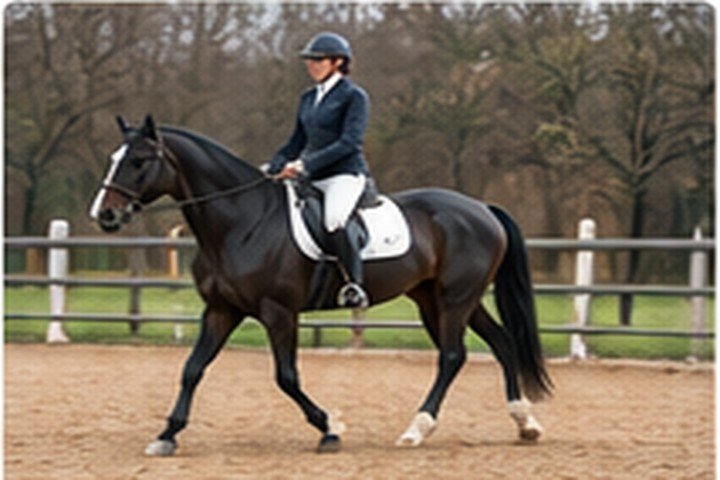
In India, buyers often value a rider’s perspective in listings. If the horse is ridden, a short clip showing the horse moving under saddle can be very reassuring. Keep clips concise, and ensure the rider’s hands and legs are visible but not dominating the frame. For all movement shots, shoot at a shutter speed that freezes motion enough to see the step pattern clearly, yet preserves the horse’s natural fluidity. A well-lit array of photos, including both stills and short videos, builds a complete picture for buyers who may be viewing listings on a phone or a computer.
What to include in the listing
Beyond the photos, the listing should tell a coherent story. Include basics such as breed or type, age, height, and current training level. Explain the horse’s preferred activities, temperament around people and other horses, and any medical or vaccination history you are comfortable sharing. While you should not exaggerate capabilities, you can highlight reliable traits such as “calm to handle,” “steady with children,” or “good in turnout.” Be explicit about riding or handling requirements (for example, suitable for a confident intermediate rider or a calm, patient adult rider) to help buyers quickly assess fit.
When describing the horse’s lineage or lineage’s relevance, be cautious and accurate. Do not claim pedigree or results that you cannot substantiate. If the horse has local show experience or notable training milestones, mention them succinctly with dates or events. Finally, provide practical buying details: price (if you wish to disclose it), trials, delivery options, and any terms of sale. Including a short, honest note about preferred equipment, feed, and routine can also help buyers gauge daily management needs.
Technical tips for sharp, usable images
Make sure photos are sharp and properly exposed. Use a moderate aperture (f/5.6 to f/8) for conformation shots to keep both the horse and background reasonably in focus. For close-up portraits, a wider aperture (f/4 or f/5.0) can blur the background slightly, making the horse stand out. Use a fast enough shutter speed to freeze any movement in motion shots; 1/125 to 1/250 second works well for walking or trotting shots, while a slightly higher speed may be appropriate if your horse is particularly animated.
White balance should reflect natural light; if you are shooting outdoors in bright sun, you may need to slightly lower exposure to avoid blown highlights on the coat. Shoot in RAW if possible, so you can adjust exposure, white balance, and color in post-processing without degrading image quality. For those using smartphones, enable HDR where available and use grid lines to align the horse with the rule of thirds for more engaging composition.
Post-processing and honest presentation
Post-processing should enhance clarity and color without altering the horse’s appearance. Maintain natural coat color, eye brightness, and mane texture. Avoid excessive sharpening, smoothing, or color changes that could mislead buyers. If you crop images, keep enough of the horse’s anatomy visible to convey conformation. A consistent cropping style across all photos makes the listing look professional and easy to compare with others on the site.
Label your images clearly, especially if you have multiple angles or a video. Short, well-produced clips can be embedded in the listing or linked to in the description. If you are unsure how to present media on the platform, you can explore listing best practices and related resources on IETA’s pages, including the marketplace sections for horses and breeding materials.
Safety, legality, and transparency in listings
Always be transparent about the horse’s health status, training background, and any limitations. Do not imply riding capabilities beyond what the horse has demonstrated. When including health information, share what you know and avoid fabricating medical details. If you have veterinary records, you can note their existence and offer to share them with serious buyers under appropriate privacy terms. Clarity reduces delays and helps buyers make considered decisions. If you are curious about broader market options, it can be helpful to browse other listings to understand how top sellers frame their horses, or to connect with breeders and stud farms for more context on how to present a horse for sale in a normal market cycle. You may also wish to look at the broader marketplace: Browse horses or Explore stud farms to understand the ecosystem. For selling workflows and partnerships, visit the Vendor Program.
Checklist: a practical, actionable guide
- Groom the horse thoroughly; hoof care and coat shine matter.
- Choose a calm, familiar environment and a competent handler.
- Prepare a mix of photos: headshot, three-quarter view, full body, and a movement shot.
- Provide a short video or clip showing movement under light contact or under saddle, if appropriate.
- Ensure clean, simple backgrounds and consistent lighting across shots.
- Include essential listing details: age, height, breed/type, training level, temperament, and health notes if known.
- Explain any terms of sale, delivery options, and trial periods clearly.
- Review the listing for accuracy, then publish with a concise, honest description.
- Prepare to share veterinary or health records with interested buyers upon request.
- Respect privacy and avoid disclosing sensitive information in public listings.
Common mistakes to avoid
Vague descriptions and inconsistent photo quality confuse buyers and slow down interest. Avoid using dark, shadowy images or backgrounds that obscure the horse’s conformation. Do not misrepresent the horse’s abilities or health; honesty builds trust and reduces negotiation friction. Finally, avoid over-editing or over-staging the horse with ornate tack; the aim is to present a realistic, approachable picture of the animal’s day-to-day life.
Conclusion
A well-photographed and thoughtfully presented listing is a powerful tool in India’s horse market. By planning the shoot, grooming the animal, choosing clean backgrounds, and providing honest, clear information, you create a listing that saves time for both seller and buyer and stands up to scrutiny in the marketplace. Remember, good presentation is not just about pretty pictures; it is about communicating how the horse moves, how it behaves, and how it fits into a rider’s goals. When in doubt, keep the presentation simple, accurate, and respectful of the horse’s true character. For more insights into the marketplace and to explore related listings, visit the site’s horse listings and breeding sections, and consider how a solid presentation can open doors to the right match for your horse’s future.
FAQ
What photos should I include when selling a horse?
Begin with a clean profile photo (head and neck) and a good conformation shot from the chest to the hindquarters. Add a leg/foot detail shot if applicable, and include a well-lit rider or handler for scale. Movement shots should show a relaxed trot or canter on a quiet surface. Include a turnout photo in a familiar setting to convey temperament and calmness.
How should I describe the horse in the listing?
Be concise and factual. Include age, height, breed or type, schooling level or work history, temperament notes, any health considerations, and recent vaccinations if known. Mention training achievements and the horse’s preferred activities. Avoid exaggerated claims and clearly state any limitations. For pricing, note if negotiable and what a trial period could look like.
What safety and presentation considerations matter most?
Ensure the horse is calm and under control during the shoot; use a competent handler and appropriate tack. Groom meticulously, maintain a clean background, and avoid distracting elements. Prioritize safety and consistency across shots to build buyer confidence.
How should I handle post-processing and editing?
Aim for natural color balance and sharpness without altering the horse’s appearance. Crop to highlight key attributes and keep any edits subtle. Do not remove or distort markings or conformation features. Include a watermark if desired, but keep it unobtrusive.
Explore India’s Equine Marketplace
Discover horses, stallions, stud farms and trusted equine services on IETA.

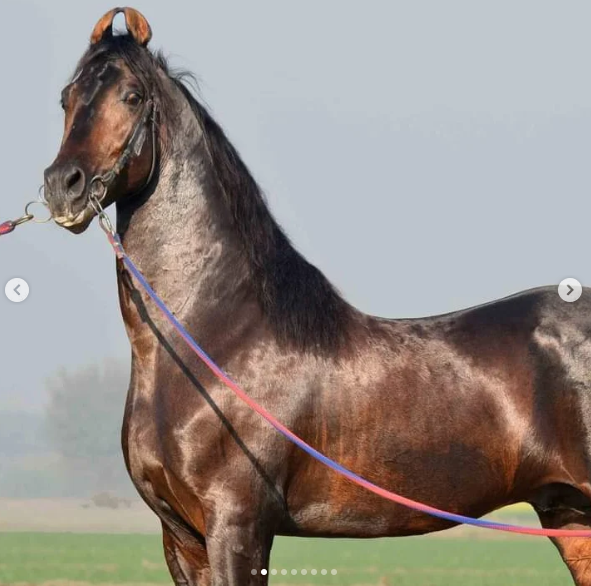 Marwari Horse
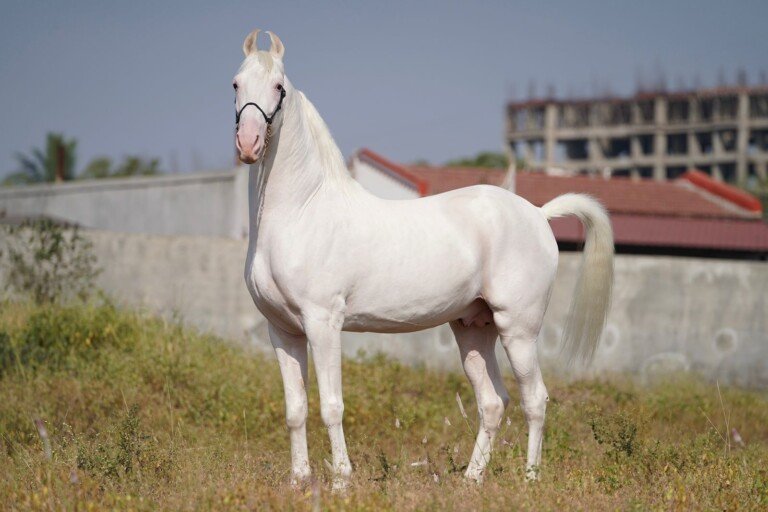 Marwari Horse
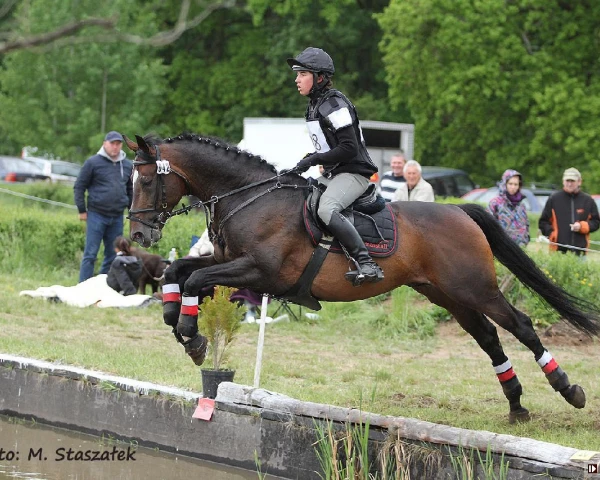 Arabian Horse