



Introduction

Transporting a horse across India is never merely a matter of logistics. It is an invitation to apply skill, patience, and unwavering concern for welfare. For real horse owners, buyers, breeders, riders, and stud farms, safe transport means reliable timelines, reduced stress for the horse, and a smooth handover at the destination. India’s vast geography—coastal plains, high-altitude corridors, monsoon challenges, and intense summer heat—demands planning, good equipment, and experienced handling. Done well, transport protects a horse’s wellbeing, shortens post-travel recovery, and strengthens trust between buyer and seller, trainer and client, and breeder and partner. This guide blends practical steps with field-tested considerations to help you move horses safely across the country. The aim is straightforward: fewer surprises, more control, and a journey that supports the horse as a partner rather than a problem to be solved.
Planning for Safe Transport: Key Considerations
Effective transport starts days before the journey. Decide on the mode of transport—road remains the backbone of intercity movement in India, but air freight and rail options exist for time-critical moves or distant travels. The choice should reflect the horse’s temperament, health status, distance, budget, and the availability of a carrier experienced with equines. Prioritise carriers with enclosed, well-ventilated stalls, non-slip floors, secure partitions, and a clear safety protocol for loading, transit, and unloading. A thoughtful plan also includes a contingency route or backup plan in case of weather or traffic delays.
To connect with transport options or horses ready for travel, you can Browse horses on the IETA platform. For options from vetted vendors and transport partners, explore the Vendor program. And if you’re planning a broader engagement with the marketplace, Visit IETA for resources and listings, including travel-related gear in the Shop section.
Documentation, Compliance and Vetting
Documentation and Compliance
Carry complete health records, vaccination history, and any veterinary clearance your destination state or transporter may require. Check with the transporter about transit documents, permits, or temporary transit clearance for interstate movement, and keep copies readily accessible during the journey. Have emergency contacts (your veterinarian, the carrier’s helpline, and a trusted assistant) written down and stored in your phone or in print in the event of a delay or a problem.
Documentation protects the horse and provides a clear record in case of arrival checks or disputes. While requirements vary by state and destination, a proactive approach reduces last-minute stress and helps the journey proceed smoothly.
Choosing a Transporter
When evaluating transport options, look for the following: experience handling equines, a well-maintained vehicle with enclosed stalls and non-slip floors, secure partitions to minimize crowding, effective ventilation, and a published safety protocol. Ask about insurance coverage, loading and unloading procedures, and how the transporter handles delays or breakdowns. A responsible transporter will ask about the horse’s age, temperament, health status, recent medications, and any special needs. They should be able to share a clear plan for breaks, hydration, and feed during the journey.
Preparing Your Horse for Travel
Preparation is the foundation of a calm, safe journey. Start conditioning well in advance if possible, and avoid making drastic changes to feeding routines immediately before travel. Ensure the horse is well-hydrated and has had a light, consistent exercise program leading up to travel. A clean, well-fitting travel halter, and a lead rope that allows controlled loading, help prevent chafing and stress during handling.
Key preparation steps include:
- Confirm routine health checks and dental status where applicable.
- Keep vaccination and deworming status up to date as advised by your veterinarian.
- Maintain a stable feeding plan during the days before travel; avoid introducing new feeds at the last moment.
- Prep familiar gear that does not pose a risk of snagging on partitions or doors.
Pre-Travel Checklist
- Health records and any required veterinary clearance
- Transit documents and permits as advised by authorities or transporter
- Well-fitted travel halter, lead rope, and a comfortable blanket if weather requires
- Hydration strategy: ensure access to water before loading and during breaks
- A clear feeding plan for the journey, with common, non-distressing feeds
- Emergency contact numbers, including your veterinarian and the transporter
Vehicle Setup, Loading and In-Transit Care
The vehicle is the horse’s mobile home for the journey. Ensure it is designed to prevent injury, overheating, and stress. A typical safe setup includes enclosed stalls with secure partitions that allow each horse to stand squarely without contact with neighbors, non-slip flooring, proper padding at edges, sufficient headroom, and adequate ventilation. For longer journeys, consider temperature regulation and interior lighting that helps the horse feel secure and comfortable.
Loading should be progressive and calm. Use a patient handler, ideally someone trained in horse loading, and avoid forcing the animal. If necessary, use a familiar handler or familiar equipment to reduce stress. Do not rely on sedation as a routine measure; sedatives should only be used under a veterinarian’s guidance and on a case-by-case basis when recommended for welfare reasons and safety concerns.
During travel, schedule breaks for hydration and light checks. Offer access to water at reasonable intervals; provide roughage such as hay if travel time permits and the horse tolerates it. Monitor for signs of distress, overheating, or dehydration, and have a plan for rapid response if the horse shows abnormal behavior or physical signs.
Loading and Unloading Protocols
Loading and unloading are high-risk moments for horses. Use a ramp with secure footing and a calm, confident approach. Ensure the horse is never rushed and that handlers maintain clear communication. The use of protective leg aids can help during longer travels, but ensure that any gear worn does not restrict movement. After loading, check that the horse is in a balanced posture, that there is space for the head to move without hitting partitions, and that there is enough airflow to keep the animal comfortable throughout the journey.
Arrival and Post-Travel Care
On arrival, give the horse time to rest and acclimatize. Offer water and a light forage intake, then gradually reintroduce the regular feeding schedule. Inspect for any signs of injury or lameness after the journey and provide a gentle cooldown and rest period. If there are any concerns about mobility, appetite, or behavior after travel, consult your veterinarian promptly. A short, structured post-travel rest period helps the horse recover from the stress of transport and avoids lingering fatigue or soreness.
Practical Transport Checklist
- Plan the route and mode of transport with a trusted carrier; confirm dates and contact numbers
- Prepare health and vaccination records, permits, and veterinary clearance if required
- Choose a vehicle with enclosed stalls, non-slip floors, and secure partitions
- Ensure a calm loading process with a trained handler; avoid routine sedation
- Provide hydration and grazing opportunities during breaks
- On arrival, allow rest, assess health, and reintroduce feeding gradually
FAQs
Q1: How do I choose the right transporter for my horse?
A qualified transporter should have demonstrated experience with equines, a clean, well-maintained vehicle, clear loading/unloading procedures, and appropriate insurance coverage. Ask about their safety protocols, breakdown plans, and how they manage weather or traffic delays. A good transporter will also inquire about the horse’s temperament, health status, and any special needs well before the journey.
Q2: How can I keep my horse calm during road transport?
Plan ahead with conditioning and routine, maintain a familiar feeding schedule, and ensure the loading process is calm and gradual. Keep communication clear, use a quiet voice, and avoid sudden movements or surprises. Where appropriate, discuss with your veterinarian whether any non-routine measures are advisable for welfare; however, sedation is not a default solution and should only be used under veterinary guidance.
Q3: What documents should I have for interstate transport?
Carry the horse’s health records and vaccination history, plus any transit or veterinary clearance required by the destination state. Have transport permits or transit documents on hand as advised by the transporter or local authorities. Keep copies, either in printed form or on your phone, to present as needed during the journey.
Q4: What should I do immediately after arrival?
Allow the horse to rest in a quiet, comfortable area away from noise and crowds. Offer water and a light feed, then gradually reintroduce the regular routine. Check for signs of stress, dehydration, lameness, or behavioral changes. If anything concerns you, contact your veterinarian promptly and follow a staged acclimatization plan to help the horse recover from travel.
Explore India’s Equine Marketplace
Discover horses, stallions, stud farms and trusted equine services on IETA.
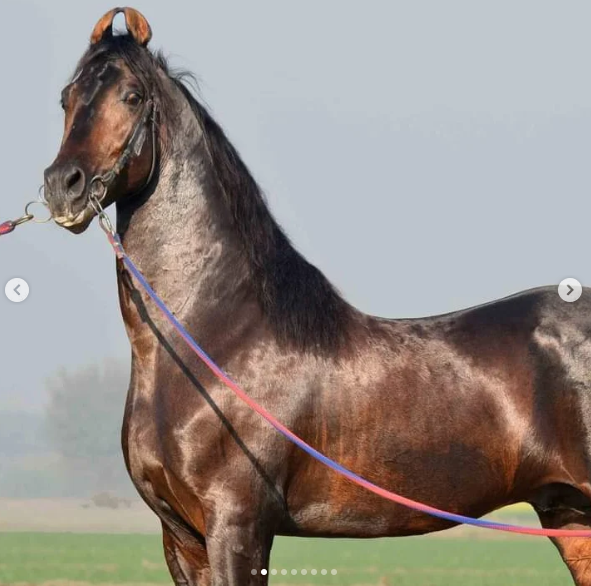 Marwari Horse
 Marwari Horse
 Arabian Horse