


Introduction
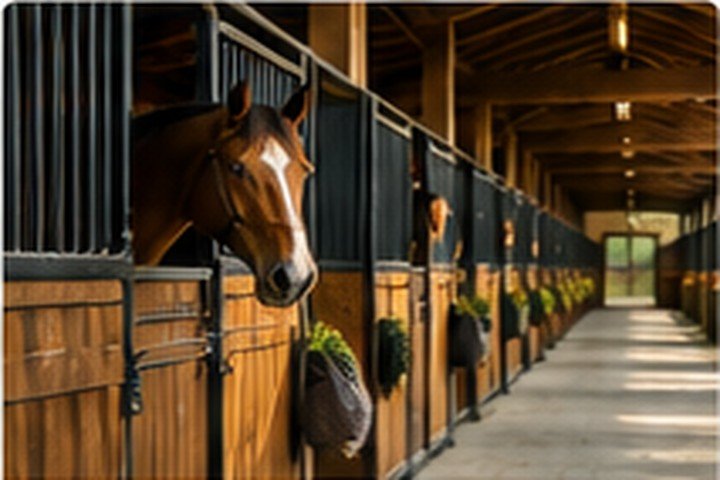
In Indian stables, the hoof is more than a single footprint in the dirt. It is the horse’s foundation for health, performance, and daily comfort. A well-planned hoof care routine, anchored by a steady farrier schedule, helps horses carry riders, work on varied surfaces, and stay sound through monsoon mud, summer dust, and bustling stable life. This editorial offers practical guidance for owners, riders, breeders, and stud farms to build a sustainable hoof care rhythm tailored to Indian conditions.
Good hoof care is a team effort. It begins with a basic understanding of hoof health, moves through how often to visit the farrier in different contexts, and ends with simple home practices that preserve hoof quality between professional visits. In the pages that follow, you’ll find a practical framework you can adapt to your horse’s workload, terrain, and climate—and you’ll find pointers on working with a capable farrier who can help you map out a yearly plan. If you’re researching horses for purchase or breeding, you’ll also find how thoughtful hoof care connects to a horse’s long-term soundness and performance. For broader market context, you’ll discover relevant resources and listings here on IETA’s marketplace, including browsing horses and exploring stud farms.
Where to start? Start with a clear schedule, a light home-care routine, and a collaborative relationship with your farrier. The result is not just hard feet but a healthier horse and a calmer stable environment.
Understanding hoof care basics
Hoof anatomy and why consistency matters
The horse hoof is a dynamic structure absorbing impact, supporting weight, and providing traction. Shoeing or trimming alters how weight is distributed and how the hoof interacts with the ground. Regular, predictable care helps the hoof grow evenly and keeps the soft tissues from overstress. In Indian settings, where work varieties range from flat training tracks to rough farm roads, consistency becomes especially important. The goal is predictable hoof shape and balance so the horse moves freely and comfortably.
What services a professional farrier provides
A farrier typically trims the hoof wall, balances the sole, and applies shoes if needed. For some horses, barefoot trimming and natural balance can be appropriate. A good farrier will also assess the frog, bars, and sole for signs of pressure, wear, or soft spots. In India, where terrain ranges from clay to rocky paths, a tailored approach—timing, shoe type, and trimming style—helps the horse adapt to its daily routine.
Why a consistent schedule matters
Hoof growth and changes in wear happen continually. Asking a farrier to visit on a consistent cadence reduces the risk of overgrowth, uneven wear, and uncomfortable gait. Over time, this consistency translates to fewer hoof-related touchpoints in the saddle and lower risk of acute issues arising from uneven weight distribution.
Scheduling farrier visits in India
Footwear vs barefoot: choosing the best approach
Some horses are comfortable barefoot with regular trimming, while others benefit from protective shoes. The decision depends on the horse’s workload, the terrain, and the horse’s hoof quality. In monsoon-prone regions, mud and moisture can affect hoof integrity and shoe adhesion, while in drier seasons, hard ground can accelerate wear. Work with your farrier to choose a plan that keeps balance and reduces risk of slips or tripping.
Frequency guidelines and seasonal adjustments
In general, shoed horses are trimmed and shod on a cycle of about every 4–6 weeks, depending on growth and wear. Barefoot horses are typically trimmed or balanced roughly every 6–8 weeks. In the Indian climate, you may need to shorten or extend this window based on work level, terrain, and moisture. For horses with heavy riding schedules, rough trails, or work on hard surfaces, more frequent attention is wise. In seasons with heavy rains or mud, check hooves more often for soft spots, debris lodged in the hoof capsule, or how well shoes are holding. A predictable cadence allows your farrier to plan the maintenance ahead and minimizes last-minute visits due to discomfort or lameness signs.
Building a yearly calendar with your farrier
Work with your farrier to create a 12-month plan. Start with a baseline cadence (for example, 6 weeks for shod, 7–8 weeks for barefoot) and then add one or two adjustments for seasonal changes, competitions, or heavy workload. Include time for a minor reset after a particularly rough ride or a new training phase. Document shoe types, trim profiles, and any issues observed during rides. A written plan helps everyone prepare—especially in busy season paddocks and stud farms where routines must be scaled up.
Practical on-farm scheduling ideas
Keep a visible calendar in the stable entryway with the next three visits ahead. If you have multiple horses, stagger visits to avoid crowding at the farrier shed. Use a brief one-page note for the farrier: horse name, current work level, any known hoof issues, shoe type, and any special requests (for example, heel elevation, bar trimming, or pad placement). For breeders and stud farms, coordinating farrier visits with foaling or weanling schedules reduces stress and keeps foals in good condition for health checks. If you’re exploring market options, the IETA marketplace offers listings and resources you can browse to understand available stock and services: Browse horses, Explore stud farms, and Vendor programs are a good start to plan your stable’s hoof care alongside other needs.
Internal resources: Browse horses can help you gauge the stock you may work with, while Explore stud farms gives a sense of breeding options. If you’re seeking training or equipment partners, consider the Vendor program: Vendor Program.
Choosing the right farrier and building collaboration
What to look for in a farrier
Reliability, clear communication, and a practical approach are as important as technical skill. A farrier who makes notes after each visit, explains the plan for the next cycle, and respects the horse’s temperament is invaluable. For Indian riders and breeders, a local farrier familiar with common regional terrains and seasonal challenges can adjust footwear choices and trimming styles to the horse’s environment.
Creating a plan together
Share your horse’s workload, surfaces, and any upcoming shows or breeding events. Discuss shoe options (steel, aluminum, or composite) and trimming profiles that balance hoof balance with comfort. A cooperative plan reduces surprises and helps you monitor the horse’s response after each visit. Keep a simple log of gait, any heat or heat-related discomfort, and the horse’s willingness to move after the session. Over time, this becomes a practical reference for both owner and farrier.
When to reconsider the arrangement
If you notice persistent lameness, recurring loose shoes, or ongoing sensitivity after visits, it’s reasonable to reassess both the farrier choice and the shoeing strategy. Talk to your veterinarian and your farrier together, particularly if you are dealing with a new workload or a change in terrain. The goal is steady, confident movement rather than episodic fixes.
Home care between farrier visits
Daily hoof checks and cleaning routine
Develop a simple routine: after rides, pick and examine the hooves to remove stones, dirt, or mud. Look for changes in the sole, unusual soreness, or a change in the way the horse stands. Daily checks help you catch issues early and provide feedback to your farrier for planning the next visit.
Hoof cleaning and conditioning basics
Regular brushing of the hoof wall and surrounding fetlock area keeps the region clean and dry. Avoid using unverified products that could irritate sensitive skin, and never apply topical substances without veterinary or farrier guidance. The aim is cleanliness, not masking potential problems.
Nutrition, environment, and hoof health
Hoof quality benefits from balanced nutrition and a stable living environment. Ensure adequate access to clean water, high-quality forage, and appropriate minerals as advised by a veterinarian or equine nutritionist. A horse that lives in a muddy yard or travels long distances on hard roads may wear hooves differently than a horse in a softer environment. Tailor home care, feeding, and turnout to support hoof resilience.
Seasonal and workload considerations
Monsoon and mud management
During heavy rains, hooves accumulate mud and debris that can loosen shoes or create soft spots. Check shoes and trim more frequently if mud is clinging to the hoof capsule. Ensure the horse has dry, clean stalls and consider temporary protective measures if slipping hazards are present.
Summer heat and dry conditions
Dry, hard ground increases wear on the hoof wall. If your horse is in regular training on dry terrain, discuss potential adjustments to trimming or shoeing with your farrier. Provide shade and ample water to maintain overall hoof and limb health during warmer months.
Riders, training cycles, and competition prep
When preparing for events or increasing training intensity, plan ahead with your farrier by scheduling visits slightly ahead of the change. Extra workload often means faster growth and wear, which can alter balance. A proactive plan reduces last-minute scrambling and helps keep the horse comfortable during competition or intense training periods.
Tools and equipment for home care
Essential items for stable-level hoof care
Hoof pick with a brush, a stable-safe brush, a reliable hoof knife (only if trained), and a clean work area are the basics for daily maintenance. For those assisting with trimming, ensure proper training and supervision. Do not attempt advanced trimming without professional instruction. A good rasp provides control for minor adjustments under professional guidance, but it is not a substitute for formal farrier work.
Safety-first guidelines
Always secure the horse in a calm, familiar area when performing any hoof care tasks. If you’re unsure about a procedure, defer to your farrier or veterinarian. Hooves are delicate structures—proper handling reduces risk for both horse and handler.
Practical checklist for owners
- Define a baseline cadence with your farrier (4–6 weeks for shod, 6–8 weeks for barefoot).
- Maintain a simple, visible rider/worker calendar for upcoming visits.
- Keep hooves clean and free of debris after rides; note any changes in gait or stance.
- Document shoe type, trim profile, and any seasonal adjustments.
- Prepare the horse for the farrier visit with a clean stable and clear instructions.
- Ensure access to dry, secure turnout or tie-up space before and after visits.
- Discuss season-specific wear and terrain with your farrier to adapt the plan.
- Maintain open lines of communication with the farrier and vet for persistent concerns.
- Review nutrition and stable conditions that influence hoof quality.
- Explore linked resources on the marketplace for broader equine needs: Browse horses, Explore stud farms, and Vendor Program.
FAQ
Q1: How often should my horse’s hooves be trimmed or shod?
A typical cadence is about every 4–6 weeks for shod horses and roughly every 6–8 weeks for barefoot horses. The exact interval depends on work level, terrain, hoof growth, and climate. Your farrier can tailor this to your horse’s needs and adjust with the seasons.
Q2: What signs indicate a problem that requires a vet or farrier attention?
Persistent lameness, heat or swelling in the hoof, cracks or abscess signs, or a change in gait should be addressed promptly by a professional. If you notice anything unusual or worsening after a visit, contact your farrier and veterinarian to assess the situation.
Q3: How can I prepare my horse for a farrier visit?
Ensure the horse has a clean, accessible area, with a calm, restrained environment. Remove mud from hooves before the appointment, note any concerns or preferred shoeing options, and bring any past shoe notes or measurements if available. Clear communication helps the farrier plan the session efficiently.
Q4: Can I do any hoof care at home?
Daily hoof checks and cleaning are appropriate for most owners. Do not attempt advanced trimming or rasping unless you have formal training from a qualified professional. When in doubt, consult your farrier before making changes to trimming or shoeing.
Conclusion
Hoof care in India is about steady, thoughtful planning that respects our horses’ diverse environments—whether they are barefoot on a village track, shod for competition, or in a stout program at a stud farm. A clear farrier schedule, allied with practical home care and seasonal adjustments, supports sound movement and happier horses. Build your plan with your local farrier, stay attuned to your horse’s response, and use the marketplace as a resource to connect with reliable services, breeders, and partners that share a commitment to hoof health and stable management.
Explore India’s Equine Marketplace
Discover horses, stallions, stud farms and trusted equine services on IETA.

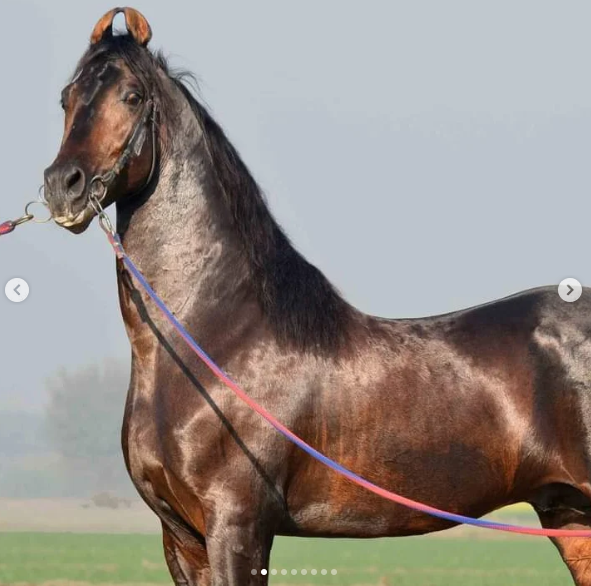 Marwari Horse
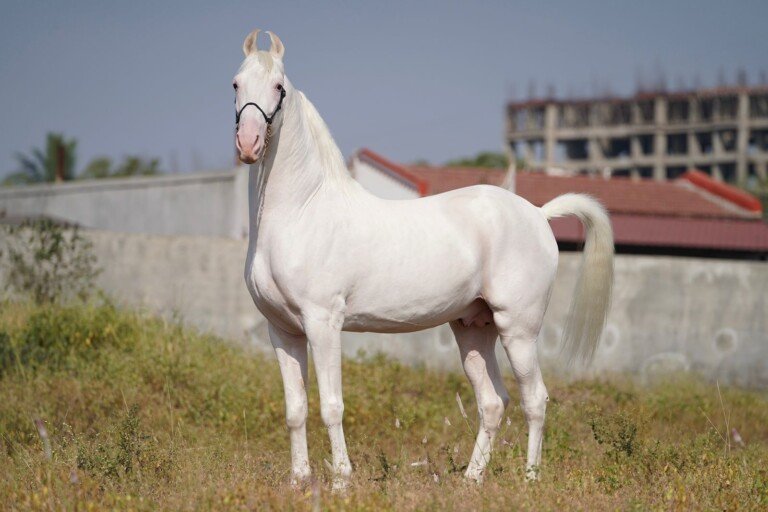 Marwari Horse
 Arabian Horse