


Introduction

Stable ventilation and hygiene are not luxury add-ons; they are essential elements of horse health, performance, and welfare, especially in the varied climates of India. From the damp monsoon months to the dusty dry season, horses rely on the air around them and on what is kept inside their stalls. Good ventilation reduces dampness and odour, lowers humidity where it matters, and helps control parasites and pathogens. Clean, hygienic stables support healthier hooves, better digestion, and steadier behaviour—benefits that show up in daily work, training, and even in the health of breeding stock. This editorial draws on practical experience from Indian barns and studs, translating design principles and daily routines into actions you can implement now.
Understanding the climate and its demands
The Indian climate in barns: what to watch for
Across India, stability design must contend with heat, humidity, seasonal rains, and a prevalence of dust and pollen. Humidity can encourage mould and damp bedding, while dust irritates the respiratory tract and coats surfaces with deposits that may harbour bacteria. In monsoon season, rain can flood or flood-damp portions of a yard if drainage is poor. In arid regions, dust and heat demand measures that promote air exchange without letting pens become drafty. The lesson is simple: a stall should not be a closed box; it should be a place where air moves steadily, moisture is managed, and surfaces remain dry and clean.
Ventilation as a daily management tool
Ventilation works best when it’s consistent and predictable. Natural cross-ventilation—opportunities for air to flow from openings on opposite sides of a building—works well in many Indian barns. Mechanical options—fans and roof vents—are valuable supplements, especially in enclosed spaces, during extreme heat, or in areas with limited natural breeze. Regardless of the system, the aim is to exchange stale air with fresh air regularly, control moisture at the stall level, and limit pockets of dampness where mould and odours thrive.
Design principles for airflow
Layout that promotes cross-ventilation
Position stalls to align with prevailing winds when possible. Place doors and windows so that air can move across the stall rather than stagnating in the back corners. Keep escape routes clear and avoid high walls that block air movement. If you can, create interior ranch-style aisles that allow air to pass from vented ends toward the centre without creating strong drafts on the horses.
Openings and screens
Use a combination of low-level and high-level openings. Low-level openings help bring in fresh air at horse head height, while high vents release warm air and moisture. Where flies or insects are a concern, install screens that allow air passage but minimize entry of pests. In practice, you can use louvered vents, fly screens, and mesh panels along stall fronts and gable ends. The idea is to keep the space breathable without turning the stall into an open rain or dust corridor.
Materials and finishes that help, not hinder
Choose surfaces that are easy to clean and resistant to mould. Light-coloured walls reflect heat and help keep the interior cooler, while washable panels near water sources reduce microbial buildup. Ceilings and roof voids should be ventilated or insulated as appropriate to your climate. Avoid dense, non-porous finishes that trap moisture; instead, favour breathable, wipe-clean surfaces around feeders and bedding zones.
Natural ventilation vs. mechanical systems
Natural ventilation relies on the geometry of the barn and wind patterns. It’s inexpensive and robust, but it may fall short on still days or high humidity. Mechanical ventilation—roof fans, wall-mounted extractors, or ceiling vents—offers control over air exchange rates and can supplement natural airflow during peak heat or monsoon dampness. When selecting mechanical options, consider noise levels, energy consumption, and ease of maintenance. For many Indian facilities, a balanced mix of natural ventilation with selective mechanical support provides the best blend of cost, reliability, and comfort.
Hygiene as a daily discipline
Daily mucking and stall cleanliness
Stables that stay dry and free of waste smell better and stay healthier. Muck out once or twice daily as needed, removing urine-soaked bedding, wet Poo/pee patches, and damp areas. Combine with routine scrubbing of stall floors and walls. A clean stall reduces the growth of bacteria and mould and makes it easier to spot moisture leaks or structural issues before they become bigger problems.
Water, feeds, and bedding discipline
Keep water troughs clean and free from algae and biofilm. Clean troughs regularly and ensure there is a clean supply line that isn’t contaminated by manure splash. Feed areas should be segregated from bedding to minimize moisture and spoilage. Bedding selection matters for hygiene and dryness: look for absorbent, dust-free options available in your region, and adjust thickness based on the season and horse work level. Routine bedding changes help control odours and dampness and reduce the risk of skin conditions caused by prolonged contact with soiled material.
Manure handling and waste management
Stable waste should be removed promptly and disposed of in a manner that minimises fly breeding and odour. In many Indian settings, composting the manure on-site or timely removal to a designated dump area is practical if space and local regulations permit. Routine checks of drainage around the stalls prevent puddling that can soak bedding and stall walls, creating a damp microclimate that encourages mould and parasites.
Fly and pest control through hygiene
Dust and moisture management helps limit fly populations. Keep feed containers sealed, clean, and elevated off the ground to reduce pest access. Use screens on windows and vents to minimise insect entry. Regular cleaning decreases breeding sites, making the environment more comfortable for horses and riders alike.
Managing humidity and air quality
Humidity can be a silent performance killer for horses: it affects respiratory comfort and stall dryness. If possible, monitor humidity in different parts of the stable and adjust ventilation accordingly. In humid months, increase airflow in stalls with higher moisture generation and ensure drainage systems are functioning so liquid doesn’t pool. Simple hygrometers or a quick daily pinch test of bedding moisture can guide you toward timely actions.
Practical checklist for stable managers
- Assess wind patterns and adjust stall orientation to maximize cross-ventilation.
- Inspect and clean all openings (windows, vents, screens) monthly; repair screens promptly to keep insects out.
- Install a simple two-layer approach: passive ventilation with a modest mechanical boost during heat or rain.
- Choose bedding that stays dry; change bedding when it becomes damp or odorous.
- Establish a daily muck-out and a weekly deep-clean protocol for stalls and feeders.
- Maintain clean water troughs; check for algae and replace water regularly.
- Keep feeds dry, covered, and away from damp bedding areas.
- Implement a manure management plan—compost on-site where feasible or arrange regular removal.
- Introduce fly and pest control measures that comply with local regulations and farm practices.
- Measure humidity and air flow during different seasons to fine-tune the system.
- When evaluating bedding and equipment, consider suppliers and options you can explore at Shop for practical gear.
Resources and integration with broader facilities
Ventilation and hygiene are part of a broader farm ecosystem. If you are considering breeding programs or market opportunities, you can align stable condition standards with other farm activities. For those planning longer-term upgrades, examining stud facilities and related services can be instructive. See options such as exploring stud farms to understand how larger operations balance airflow and cleanliness across multiple barns: Explore stud farms, or browse for individual horses to understand the range of needs across different disciplines: Browse horses. For ongoing needs, the IETA platform also offers a spectrum of equipment and supplies that can support hygiene and ventilation improvements: Shop.
FAQ
1. How often should I muck out stalls for optimal hygiene?
Daily mucking is a practical baseline for most stables. Remove urine-soaked bedding and wet patches, then refresh with clean, dry bedding. Depending on the horse’s use, some owners find a second light cleaning in the middle of the day helpful during hot, humid periods.
2. What are simple indicators that ventilation is working?
Fresh air movement, a noticeable reduction in odour, and a dry bedding surface are good signs. If you notice persistent dampness, condensation, or musty smells, reassess airflow, check for blockages in openings, and confirm that screens aren’t clogged with debris.
3. What bedding options help maintain dryness in Indian barns?
Look for absorbent, dust-free bedding that suits your climate and budget. Coconut fibre, rice husk, straw, and wood shavings are common options in different regions. The key is to keep bedding dry, rotate or refresh as needed, and avoid damp piles that could trap moisture against the horses’ legs and flanks.
4. How can I reduce dust without sacrificing comfort?
Improve ventilation, store hay and feed in covered, dry spaces, and choose low-dust feeds when possible. Regular cleaning of stalls, good manure management, and screens on vents all help keep dust under control. A calm, well-ventilated environment benefits both horse and handler during training and turnout.
Ultimately, the goal is a stable that feels comfortable for horses and practical for handlers. Thoughtful design, consistent routine, and accessible maintenance are the triad of successful ventilation and hygiene programs in Indian stables. By investing in airflow and cleanliness, you invest in the horse’s health, the rider’s confidence, and the farm’s day-to-day efficiency.
Explore India’s Equine Marketplace
Discover horses, stallions, stud farms and trusted equine services on IETA.

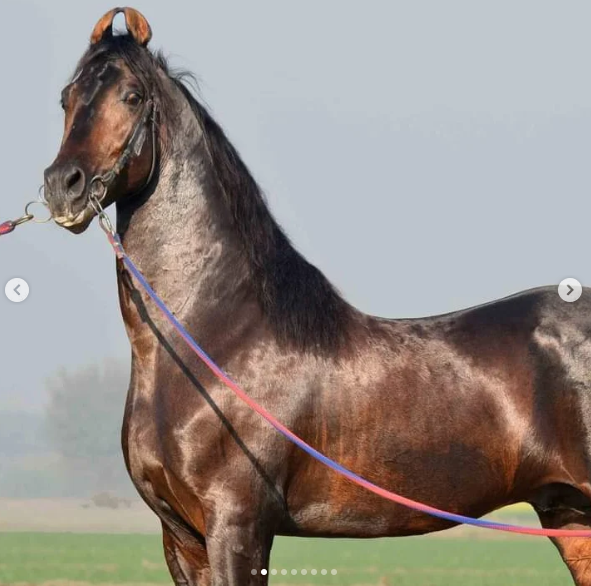 Marwari Horse
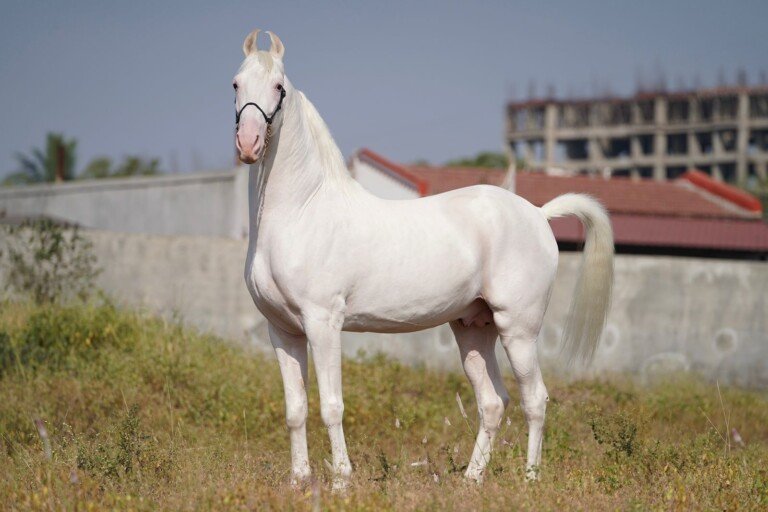 Marwari Horse
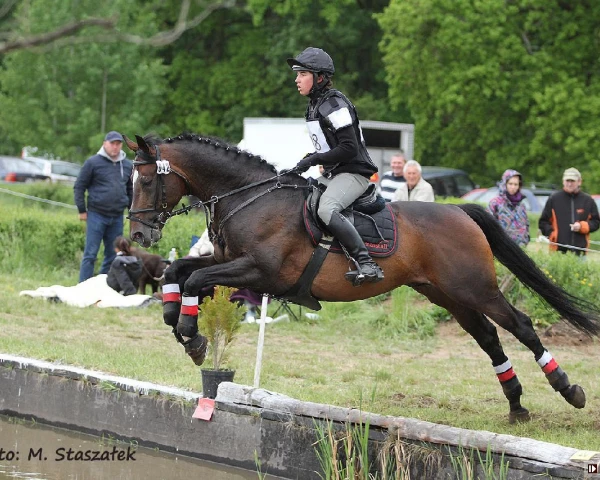 Arabian Horse