

Introduction
The monsoon season brings humidity, mud, and feed variability that can challenge foal weaning. For Marwari and Kathiawari studs, a careful, staged approach helps foals adapt without stress, while making the transition practical for busy breeders who rely on locally sourced feeds. This editorial outlines a monsoon-ready weaning protocol that emphasizes low-stress handling, predictable routines, and feeding strategies that align with regional farming realities. It also anchors the plan in the everyday realities of Indian stud farms, with gentle steps you can start this season. For broader breeding resources, consider exploring stud farms and other services at Explore stud farms or learning more about stallions at View stallions; and don’t forget to visit IETA for events and updates: Visit IETA.
Why a monsoon-ready approach matters
- Weather-induced stress compounds the natural anxiety of weaning. A predictable routine reduces cortisol spikes in both dam and foal.
- Moisture and damp bedding increase risks of respiratory issues and mold in feedstuffs. Dry, well-ventilated housing and clean feeds are essential.
- Feed variability during the monsoon necessitates relying on locally available forages and concentrates rather than external shipments that may be delayed.
- Marwari and Kathiawari foals often grow up in diverse environments; a staged separation supports social learning and reduces panic during transition.
A practical, low-stress transition plan
The plan below follows a phased approach over roughly 7–14 days, adaptable to weather and individual foal temperament. It emphasizes routine, gentle handling, and the use of locally sourced feeds. If you operate multiple studs, consider a consistent protocol across yards to minimize confusion for foals and handlers.
Stage 1 — Planning and readiness
Begin with a quick farm-wide weather and welfare check. Confirm mare–foal pairs that are in good body condition and free of clinical signs. Prepare a dedicated foal area that’s dry, sheltered, and easily visible to the dam but separated by a safe barrier. If possible, practice shorter separation drills with quiet handling sessions a week before the official start. Ensure feed stores are dry and protected from rain; inspect hay, straw, and chaff for mold before use. For those new to this protocol, delegate a consistent handler team to minimize confusion and noise during the process.
Stage 2 — Staged separation timeline
Use a gradual schedule that increases the mare–foal separation window day by day. Your aim is to give the foal confidence away from the mare while maintaining social contact and routine.
- Day 0: Initiate a short separation, about 1–2 hours, with the mare and foal in adjacent spaces that allow visual and auditory contact but a physical barrier between them.
- Day 2: Extend to 3–4 hours. Maintain consistent feeding and handling routines during separation.
- Day 4: Increase to 6–8 hours of separation. Keep foal-bed area free of hazards; ensure access to clean water and a palatable creep feed or mash.
- Day 7–14: Aim for full-day separation, potentially including overnight periods if weather and management permit. By the end of this window, most foals will adjust to independent life while staying within a familiar environment.
During this phase, reinforce positive experiences: gentle grooming, regular social contact with other foals at a safe distance, and consistent handling to build trust and reduce stress triggers.
Stage 3 — Feeding, housing, and daily routine
Transition the foal to a feeding plan that supports growth without relying solely on mare milk. Use locally sourced feeds and high-quality forage to create a simple, palatable ration. Provide a creep-feeding option for foals in the separation area, using age-appropriate roughage and a balanced coarse concentrate if available locally. Always provide ample fresh water. Bedding should be dry, dust-free, and kept clean to minimize respiratory irritation in damp monsoon conditions.
Housing matters: ensure the foal’s stall or paddock is well-ventilated but shielded from heavy rain and mud. Elevate feed and water containers to prevent contamination, and keep feeding zones free of standing water. If possible, rotate turnout to drier paddocks to reduce mud-induced stress and foot problems.
Stage 4 — Monitoring and welfare
Keep a simple welfare log for each foal. Track appetite, hydration, alertness, and stool consistency. Watch for signs of stress such as restlessness, frequent circling, or altered sleeping patterns. Weigh foals every two to four weeks if possible, as gradual weight gain is a better indicator of well-being than appearance alone. If you notice persistent lethargy, colic signs, nasal discharge, or a marked drop in appetite, consult a local equine veterinarian promptly.
Stage 5 — Long-term post-wean management
After full separation, maintain a stable daily routine: same feeding times, consistent handling, and predictable turnout. Reintroduce the mare only if recommended by your veterinarian or if you observe a high stress response in the foal; otherwise, keep foals with their peers in a secure, monitored environment. The goal is a confident, healthy foal that continues growing well through the monsoon and beyond.
Locally sourced feeds and environmental considerations
Monsoon feeds should emphasize quality forage and simple concentrates available at regional mills or markets. Practical options include locally grown hay or fodder such as bajra (pearl millet) straw and jowar (sorghum) fodder, along with maize silage when available. A small, age-appropriate mash or creep feed—prepared with clean water and offered warm when possible—can improve acceptance during weaning. Avoid moldy hay, damp feed, and any feed touching wet surfaces that can harbor fungi. Store feeds in elevated, dry bins and keep bedding dry and well ventilated to reduce the risk of respiratory issues in humid months.
Incorporate a simple ration approach that your team can replicate: ensure foals always have access to water, offer forage first, and introduce a light concentrate only when the foal shows steady grazing and appetite. If you operate multiple studs, standardize your approach to weaning across yards to maintain consistency for foals moving between paddocks or participating in common events. For broader stud-farm insights, explore more resources at Explore stud farms or learn about services at Vendor Program.
Practical checklist
- Assess mare and foal condition; plan weaning window around weather and pasture conditions.
- Prepare a dry, sheltered foal area with a barrier to mare contact but allow visual interaction.
- Establish a staged separation timeline (Day 0–14) with consistent handling.
- Provide clean water, palatable creep feed or mash, and high-quality forage.
- Ensure feeding and bedding areas stay dry; protect feed from rain and dampness.
- Maintain a daily welfare log; monitor appetite, hydration, and behavior.
- Weigh foals periodically and adjust the plan if growth deviates from expectations.
- Document lessons learned and share with the team to improve future weaning cycles.
Conclusion
A well-planned, monsoon-ready weaning protocol for Marwari and Kathiawari studs can reduce stress, preserve health, and ensure steady growth during a challenging season. By combining a staged separation, stable routines, and locally sourced feeds, breeders can navigate the monsoon with confidence. For more on breeding and stud management, consider connecting with fellow breeders through the IETA ecosystem and regional networks.
FAQ
Q1: When is the best time to begin monsoon-weaning for these breeds?
A: Start after confirming good body condition and weather windows that provide dry or less-extreme days. Plan a staged start a few weeks into the monsoon when routine and pasture access are stable, and always tailor the timing to individual mare–foal pairs.
Q2: What does a staged separation plan look like?
A: Begin with short separations (1–2 hours) and visual contact, then gradually increase to half-days, then full days over 7–14 days, while maintaining consistent feeding and handling routines.
Q3: Which locally sourced feeds support weaning?
A: Use quality-forage options available locally (e.g., bajra straw, jowar fodder, maize silage when possible) and a palatable creep feed or soft mash suitable for foals. Always prioritize feedstuffs that are dry, mold-free, and free from contaminants.
Q4: How should I monitor foal welfare during weaning?
A: Track appetite, hydration, behavior, and stool quality daily. Weigh foals every 2–4 weeks if feasible. If signs of distress persist, consult a veterinarian promptly and consider adjusting the plan to reduce stress.
Explore India’s Equine Marketplace
Discover horses, stallions, stud farms and trusted equine services on IETA.
 Marwari Horse
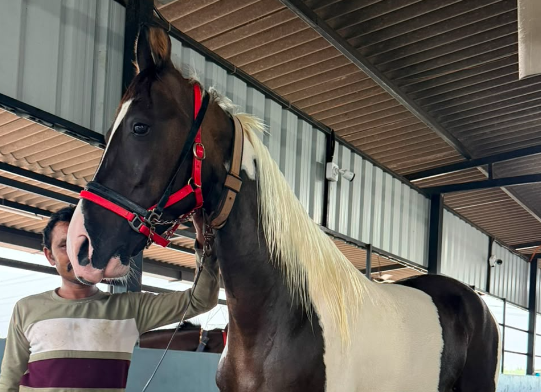 Marwari Horse
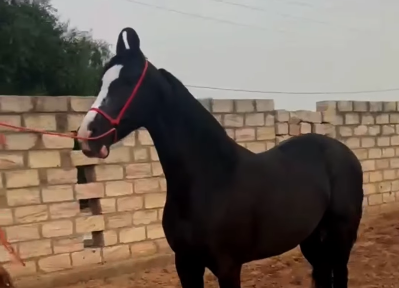 Marwari Horse