

Stable comfort isn’t just about good feed and clean bedding. In hot, humid Indian conditions, small variations in temperature, humidity, and airflow can affect a horse’s health, appetite, and performance. Microclimate mapping is a simple, repeatable way to visualize how heat, moisture, and ventilation behave inside your barn. The goal is practical improvements you can implement today—without expensive gear or complex protocols.
Why microclimate mapping matters in Indian stables

Every stable is a microenvironment. A stall near a sunlit wall, a corner behind a feed rack, or a box close to a damp area can feel noticeably warmer or damper than the rest of the barn. Over time, uneven heat and moisture pockets can contribute to discomfort, damp bedding, and airway irritants. By mapping these microclimates, owners and managers can prioritize changes that improve stall comfort and horse well‑being—whether you’re running a small family stable or a busy stud operation.
This approach is deliberately practical and inexpensive: it uses common tools, a simple plan, and repeatable steps so you can assess and re‑assess as weather, ventilation, or layout changes. It also complements existing stable practices—tethering owners to better welfare, not to busy schedules or costly upgrades. For broader insights on how stables flow with the needs of horses, you can explore our network, including the listing pages for stud farms and stallions as you plan improvements for your venue.
Tools, planning, and a DIY toolkit
You don’t need a professional HVAC rig to start mapping. Gather a few basics:
- Thermometer-hygrometer combination device (or two separate units)
- Printed stable layout or a large floor plan drawn by hand
- Measuring tape or a ruler for spacing
- Notepad or a small binder with page dividers
- Colored markers or sticky notes for coding zones
- Yellow or blue chalk for marking locations on the plan
Optional, but helpful: a simple anemometer or a DIY airflow indicator can be imitated with a lightweight ribbon tape placed near openings to observe air movement qualitatively. You can also jot down notes on weather conditions and barn activity (feeding, cleaning, turnout) to correlate with the readings.
Plan a stable map that is easy to read at a glance. Number each stall or bay, note doorway locations, vents, fans, water sources, and any damp surfaces. Keep the plan accessible so everyone in the stable can refer to it when making adjustments.
Step-by-step guide to low-cost mapping
Step 1: Define your space and measurement grid
Start with a bird’s-eye view of your barn. Create a simple grid that covers all stalls, the tack room, and common areas. Label each zone with stall numbers and identify potential heat sources (sun-exposed walls, lighting fixtures) and moisture sources (damp walls, gutters, drains). If your barn has multiple blocks or wings, map each separately and compare later.
Step 2: Schedule measurements across a typical day
To capture microclimate dynamics, take readings at least at three times: morning, mid‑day, and evening. If you’re in monsoon or high humidity seasons, consider an additional post‑rain check. Record both temperature and relative humidity at each grid point. Note any airflow cues—whether air moves freely or feels stagnant—and observe how bedding moisture changes throughout the day.
Step 3: Take measurements systematically
Walk through each stall and key area, placing your thermometer‑hygrometer at horse height (roughly the corral of a standing adult horse). For each point, record: zone name/number, temp, humidity, and a simple letter code for air movement (A for strong, B for moderate, C for weak). If you have doors or vents, check their state (open/closed) and whether they influence the reading. Don’t forget to record exterior conditions because sun and wind can shift interior microclimates quickly.
Step 4: Create a simple heat and moisture map
Transfer your notes to the plan. Use color codes or sticky notes to mark hot zones (warmth and higher humidity), moisture pockets (areas with damp bedding or wall dampness), and ventilation bottlenecks (areas with little or no air movement). A few easy color codes work well: red for warm zones, blue for damp/moisture pockets, and yellow for weak airflow. This visual map will help you spot patterns and prioritize fixes.
Step 5: Interpret data and identify bottlenecks
Look for recurring themes: Are certain stalls consistently warmer, even when doors are open? Do damp corners appear near gutters or damp walls? Are there corners where air movement seems absent or blocked by equipment or feed racks? Mark these as bottlenecks and rank them by urgency and ease of fix. The goal is to move from observation to action with clear priorities.
Step 6: Prioritize low-cost fixes that move the needle
Start with changes that don’t require major renovations. Consider these practical adjustments, aligned with your map findings:
- Enhance cross-ventilation by widening or opening appropriate vents and avoiding cross‑drafts that blow directly onto horses.
- Rearrange or remove obstructions near airflow paths (feed racks, gear stalls, or stacked bales) that create dead-air corners.
- Use strategically placed fans to promote gentle air movement across stalls without creating cold drafts on horses.
- Improve bedding and drainage in damp zones to reduce moisture pockets. Consider moisture‑absorbing bedding or more frequent bedding changes in susceptible stalls.
- Address damp surfaces by sealing minor leaks or improving exterior drainage to prevent moisture seeping into walls.
- Shading and sun control: adjust or add shading on hot walls to reduce radiant heat in the hottest blocks.
Step 7: Monitor effects and re-map
After implementing a few fixes, re-map the same grid at the same times. Compare results to see if the zones have shifted in temperature, humidity, or airflow. This repeatable check helps validate what works and what doesn’t, guiding further tweaks.
From map to healthier horses: practical upgrades you can implement now
A well‑crafted map translates into real improvements. Some low‑cost adjustments that commonly yield noticeable benefits include:
- Opening or adding vents at strategic ends of the barn to improve cross‑ventilation while avoiding direct drafts on horses.
- Reconfiguring stall layouts to create continuous air channels and prevent stagnant pockets near walls or corners.
- Using portable fans on stands to encourage a gentle breeze across multiple stalls without causing stress for the horses.
- Elevating or changing bedding materials in damp zones to speed moisture evaporation and improve stall cleanliness.
- Upgrading drainage around drainage grates and gutters to reduce surface moisture near stall floors.
Small changes, guided by your map, can make a big difference in stall comfort and halting moisture buildup that often accompanies seasonal rains.
Data-driven stable management: tying it into daily routines
Map-driven adjustments integrate smoothly with routine stable management. Create a simple data‑log for each season and set a cadence for re‑mapping after significant weather events. In busy studs or farms, appoint a point person to supervise the mapping process and maintain the plan. It’s a practical habit that supports horses’ comfort and welfare day after day.
When planning broader improvements, you can explore related resources and partner offerings on our platform to connect with others actively improving Indian stables. For example, you can browse our listings to compare stables and facilities, or visit study pages on stall design and stall fittings as you implement changes.
Quick-start checklist
- Prepare a simple stable map with stalls numbered and key areas labeled.
- Gather a thermometer-hygrometer and a notebook; bring markers and tape to plot data.
- Take readings at morning, midday, and evening for all zones; note ventilation and damp areas.
- Code the data visually on your map and identify heat zones, moisture pockets, and air‑flow bottlenecks.
- Implement low-cost fixes based on the map; re-map after changes to verify impact.
- Maintain seasonal checks to keep microclimates in balance as conditions change.
FAQs
What is stable microclimate mapping?
It is a simple, repeatable process to observe and document how heat, moisture, and airflow behave within a barn, using basic tools to identify zones that may affect horse comfort and health.
What do I need to start mapping?
A basic thermometer‑hygrometer, a printed or hand‑drawn stable layout, a notebook, and a few markers. You don’t need expensive equipment to begin.
How often should I map my stable?
Start with a seasonally recurring check and re‑map after major weather events (such as heavy rains) or when you make layout or ventilation changes. Regular mapping helps maintain horse comfort year‑round.
What if I don’t have time to map every week?
Prioritize the changes suggested by your initial map, then re‑map post‑season or after significant weather. Even a single, well‑documented map can guide meaningful improvements over time.
For further inspiration on Indian equine facilities and community resources, consider exploring our platform sections for stable services, stud farms, and horse listings.
Explore India’s Equine Marketplace
Discover horses, stallions, stud farms and trusted equine services on IETA.
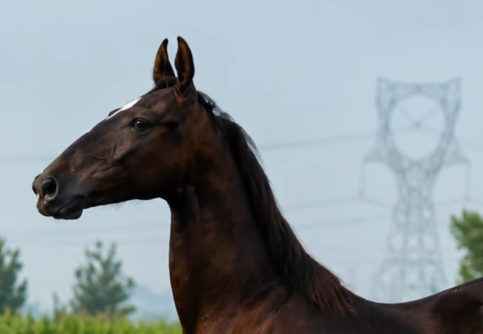 Marwari Horse
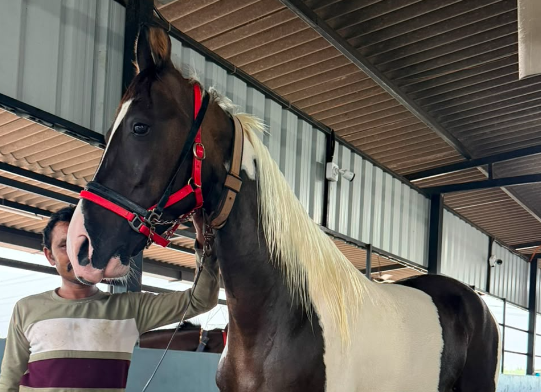 Marwari Horse
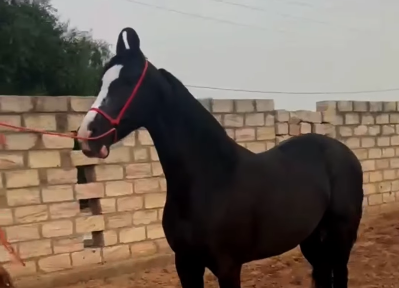 Marwari Horse