


Introduction
Feeding is the foundation of a horse’s health, performance, and longevity. In India, where climate, forage availability, and workload vary widely from one region to another, simple missteps in feeding can quickly derail a horse’s condition. This editorial highlights the most common feeding mistakes Indian riders, owners, breeders, and studs encounter, and offers practical, experience-based guidance to help you optimise your horse’s diet without guesswork. The aim is to keep feeding straightforward, consistent, and aligned with your horse’s needs, season by season, work by work.
Before you adjust a diet, start with the basics: good forage, clean water, and a predictable routine. If you’re considering any major changes—especially when you have a young horse, a horse in training, or a mare in foal—seek input from an equine nutritionist or your veterinarian. For reference and to explore options, you can Browse horses, Explore stud farms, View stallions, or Visit IETA.
Common feeding mistakes and how to avoid them
1. Underestimating energy and protein needs
Active riding, training, or growing youngsters require more energy and protein than a maintenance diet. In practice, owners often rely on roughage alone or make small, inconsistent adjustments as work increases. The result can be subtle weight loss, a dull coat, reduced stamina, or slower recovery after training. The key is to gauge body condition and adjust gradually. Use a body condition score (BCS) as a practical guide, and increase forage or appropriate concentrates in small increments only after assessing the horse’s current condition. If you’re unsure, consult a qualified nutritionist to tailor a plan to your horse’s age, workload, and climate.
2. Overreliance on concentrates
Concentrates (grains and commercial feeds) provide energy and nutrients, but overfeeding them without sufficient forage can upset digestion and metabolism. In many Indian stables, hay or chaff is scarce or dusty, prompting high-concentrate feeding to compensate. The result can digestive upsets, weight gain without improved performance, or laminitis in at-risk individuals. The prudent approach is to base the diet on good-quality forage first, then add concentrates only as needed to meet energy requirements. Introduce any new concentrate slowly and monitor tolerance and stool consistency.
3. Inconsistent feeding schedule
Horses are creatures of habit. Irregular meal times, long gaps between feeds, or feeding late in the day can lead to ulcers, poor digestion, and erratic energy. Aim for a regular morning and evening routine, and avoid long fasting periods. If you must alter feeding times due to logistics, do so gradually (over several days) while observing how the horse handles the shift in energy and appetite.
4. Poor forage quality or supply
Quality forage matters as much as quantity. Dusty, moldy, or low-nutrient hay reduces intake and digestive efficiency. The monsoon and post-monsoon periods in many parts of India can alter forage availability, and stored hay may become damp, leading to fungal growth. Invest in forage that is clean, sweet-smelling, and free of mold. If you’re unsure about forage quality, ask your feed supplier for samples or guidance, and consider a simple hay analysis with your vet’s help to guide supplementation decisions.
5. Not adjusting for workload and season
Workload varies daily and seasonally. A horse in training or competition will demand more calories, while a resting horse may require less. Seasonal changes—cool nights, humidity, or heat—also influence appetite and energy use. A static diet year-round commonly leads to weight drift. Practical steps include increasing roughage during high-work periods, ensuring steady access to clean water, and re-evaluating energy balance as the season shifts. Don’t hesitate to tweak rations in small steps and monitor body condition weekly.
6. Inadequate water and hydration
Water is the cornerstone of digestion. In hot and humid Indian summers, and even during long rides, horses can become dehydrated quickly if water is not freely available or is too cold, too warm, or stagnant. Dehydration reduces feed efficiency and performance. Ensure multiple clean water troughs in pastures and stables, refresh water regularly, and consider adding electrolytes only if advised by a clinician. Always provide water after exercise and before feeding to support digestion.
7. Neglecting minerals and salt
A balanced intake of minerals and salt is essential for muscle function, bone health, and overall energy. In India, the mineral content of locally grown forage varies, and high-energy feeds can skew balances if minerals aren’t adequately supplied. Use a clean salt block or mineral supplement recommended by a veterinary professional, and avoid assuming “one-size-fits-all” solutions. If you use supplements, monitor for any changes in condition, coat shine, or stool, and adjust only with expert guidance.
8. Feeding spoiled or wet feeds
Spoiled hay, damp grains, or mildewed chaff can upset the gut and cause discomfort or colic-like symptoms. Skilled horse owners keep feed in dry, well-ventilated storage, rotate stocks to avoid long storage, and discard any feed that has an off smell, unusual texture, or visible mold. When in doubt, err on the side of caution and replace questionable feed rather than risk the horse’s health.
9. Too many treats and non-forage foods
While treats can be a useful training tool, they should not exceed a small portion of daily intake. Fruits, vegetables, or sugary snacks can alter gut function and contribute to weight gain or metabolic upset if overused. Use treats sparingly and prioritise forage as the primary energy source. In practical terms, limit non-forage items to occasional rewards and keep daily intake predictable for better health and performance.
10. Skipping dental checks and gut health basics
Chewing efficiency affects how well a horse can process fibrous forage. Dental issues or unresolved gut discomfort can reduce intake and nutrient absorption. Schedule regular dental checks as part of routine health care and address signs such as dropping feed, slacken jaw, or reluctance to chew. Gut health benefits from a steady routine, adequate fiber, and timely access to water, all of which support smooth digestion and consistent appetite.
A practical feeding approach for Indian horses
To translate these principles into daily practice, adopt a simple framework that you can adapt to your specific horses, barns, and climates.
- Base the diet on high-quality forage first. Use good-quality hay or chaff as the main energy source and adjust with concentrates only as needed for energy and condition.
- Introduce changes gradually. Whether increasing or decreasing concentrates, do so in small steps over 7–14 days and monitor the horse closely.
- Maintain a predictable schedule. Feed at the same times each day, ideally twice daily, to support digestion and mood.
- Ensure continuous access to clean water. In summer, consider additional hydration strategies and shade to encourage drinking.
- Provide balanced minerals and salt. Work with a professional to tailor micronutrient supplementation to your forage and feed mix.
- Keep feed secure and fresh. Store forage dry, inspect feeds regularly, and discard any feed that looks or smells off.
- Record your observations. Track body condition, weight changes, appetite, stool quality, and performance, then adjust accordingly.
For those in breeding, riding schools, or stud farms, structuring feeding in line with workload and goals is vital. If you’re evaluating options for your operation, you can Explore stud farms or Browse horses to understand what different types of horses are typically fed, and how diet supports specific performance or breeding outcomes. When you’re ready to consider supplements or gear, visit our Shop for curated options. You may also want to Visit IETA for resources and guidance.
Feeding checklist for busy Indian stables
- Assess forage quality monthly; choose clean, mold-free forage and rotate storage locations.
- Set a feeding schedule and stick to it; adjust gradually with changes in workload or season.
- Monitor body condition weekly and adjust energy balance before weight swings occur.
- Provide fresh water at all times; check troughs twice daily, especially in heat.
- Use minerals and salt as recommended by a veterinary professional; avoid over-supplementing.
- Keep feeds free from moisture, pests, and spoilage; discard questionable feed promptly.
- Limit treats; treat as part of a training plan, not as a daily nutritional substitute.
Conclusion
Your horse’s health and performance hinge on a dependable, well-balanced feeding plan that respects workload, season, and forage quality. By avoiding common mistakes—overreliance on concentrates, inconsistent schedules, poor forage, and neglect of minerals and hydration—you can support steadier weight, better digestion, and longer, more productive years in the saddle. Remember, practical, incremental changes guided by observation and expert input yield the best results. Start with forage, tune with calories, and monitor response month by month.
FAQ
Q: What is the single most common feeding mistake to avoid?
A: Relying too heavily on concentrates without sufficient forage. Build the diet around good-quality forage first, then add concentrates to meet energy needs as required.
Q: How should I adjust feeding for higher workload?
A: Increase forage slightly and add concentrates gradually if energy gaps persist. Observe body condition and energy levels, and avoid abrupt changes.
Q: How can I tell if forage quality is good?
A: Look for clean, smell of fresh hay, and a reasonable leaf-to-stem ratio. Avoid dusty, moldy, or foul-smelling forage. If in doubt, consult your feed supplier or veterinary adviser.
Q: When should I seek professional help?
A: If your horse loses condition, shows digestive upset, or you’re unsure how to balance minerals and energy, contact an equine nutritionist or veterinarian for guidance.
Explore India’s Equine Marketplace
Discover horses, stallions, stud farms and trusted equine services on IETA.
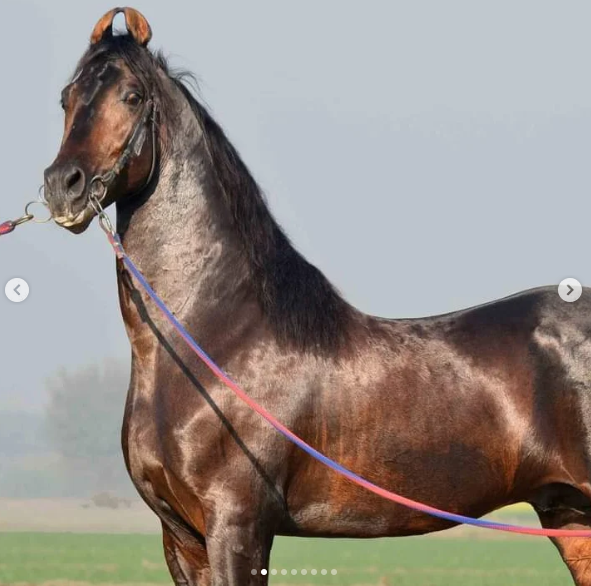 Marwari Horse
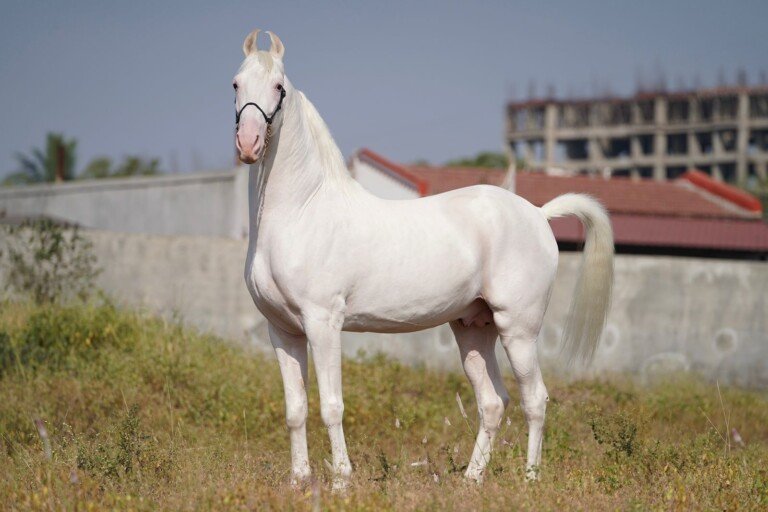 Marwari Horse
 Arabian Horse