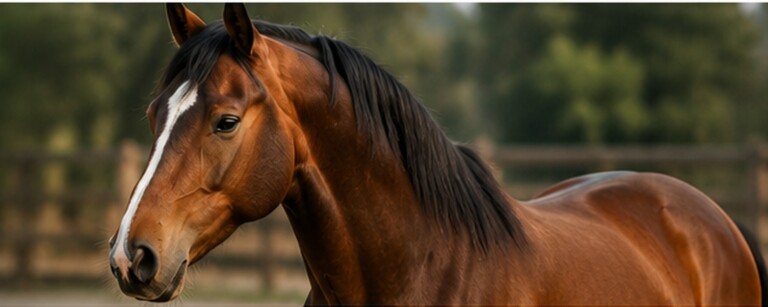


Introduction

For young riding horses in India, the transition from growing yearlings to focused training is a critical window. Subtle gait or posture issues that are easy to miss during routine handling can escalate once work begins, affecting performance and lifelong soundness. A practical, region-aware on-farm gait and posture screening protocol gives owners and trainers a repeatable, easy-to-follow method to catch early signs of discomfort before training imposes greater stress on developing limbs.
This article presents a region-aware, five-step check designed for on-farm use. It emphasizes practical observation over elaborate equipment, and it accounts for India’s varied terrains, seasons, and management realities. The protocol aims to be a reliable starter tool for trainers, stable managers, and breeders who want to raise horses that start training with solid postural balance and coordinated movement.
The case for on-farm screening in India
Many young Indian riding horses encounter ground conditions that shift with the seasons — from soft, muddy monsoon paddocks to hard, dusty dry-season surfaces. Terrain, footing, and workload interact with growth spurts and training intensity to reveal or conceal lameness. An on-farm screening routine helps you:
– establish a baseline of soundness for each horse,
– identify early, subtle asymmetries before training begins,
– tailor conditioning and turnout to individual needs, and
– reduce the risk of overt injuries during training starts.
To keep the process accessible, the protocol focuses on careful observation, consistent timing, and clear notes. It also encourages coordination with your local equine veterinarian or a trusted farrier if anything out of the ordinary is observed. For convenient reference, you can anchor your screening around your existing on-farm routine and even link to resources on Browse horses or explore related stud facilities on Explore stud farms.
The region-aware five-step gait and posture screening protocol
Use this sequence with the horse relaxed and calmly led or ridden at a controlled, walk-friendly tempo. Do not rush, and ensure the surface is safe and consistent for each observation. Document anything unusual with a time-stamped note and a simple, repeatable score for each sign.
Step 1 — Baseline posture and conformation screening
Look at the horse standing squarely, both sides evenly weighted. Key cues include:
- Head and neck carriage: is the head carried level, or is there any tilt indicating discomfort in the neck or shoulder?
- Shoulder and wither alignment: are the front limbs vertically aligned under the chest, or is there a tendency to stand with uneven weight distribution?
- Hindquarter balance: observe whether the hind limb stance mirrors the front, or if one hind limb carries more weight (possible hind limb stiffness or hip/pelvis imbalance).
- Hoof balance: check for uneven hoof wear or subtle tilts that could influence movement from the ground up.
- Swelling, warmth, or asymmetry in limbs: any joint or soft-tissue swelling warrants closer monitoring.
Notes from Step 1 establish your baseline. For each item, assign a simple score (0 = normal, 1 = mild concern, 2 = clear concern) and record the horse’s response to light palpation by an experienced handler. If any item scores beyond mild, flag the horse for closer follow-up before training commences.
Step 2 — Straight-line gait observation
Walk the horse in a straight line for 15–25 meters on the same footing used during daily work. Focus on these indicators:
- Head nod and vertical motion: excessive head bobbing can reflect limb discomfort or midline instability.
- Stride length and rhythm: compare both sides for symmetry. A shortened stroke on one side or irregular pace warrants attention.
- Tracking: does the hoof track straight, or is there cross-loading or toe-out/toe-in movements?
- Shoulder and hip movement: look for uneven elevation or lag in one side during both swing and stance phases.
Record observations with specific references (e.g., “slight head bob on left, 2/2” or “left hind stride 10% shorter”). Reassess after a short cooldown, and compare to the Step 1 baseline. In regions with soft monsoon ground, note how footing alters gait dynamics versus firm summer ground.
Step 3 — Circle and flexion assessment
Perform controlled circles to evaluate how the horse changes gait and posture when direction and bending demand increase. Use a 6–8 meter circle to assess inside limb engagement. Observe:
- Lameness during flexion: any reluctance to bend evenly at the pastern or fetlock may indicate subtle discomfort.
- Inside vs outside limb asymmetry: stronger support on the outside limb can point to marginal instability on the inside at the shoulder or hip.
- Cadence and balance changes: as you change direction, does the horse show hesitation, sudden shifts, or uneven energy distribution?
Notes from circles help differentiate short-term soreness from a more persistent postural pattern. Again, avoid forcing the horse to perform beyond comfortable limits; prioritize safety and calm pacing.
Step 4 — Surface and terrain screening
Diverse Indian farm surfaces — clay-heavy ground, sand, gravel, grass, or mud — can reveal or conceal lameness. Compare observations on different footing:
- Monsoon season: soft, muddy surfaces can mask late-stage lameness but may reveal weight-shifting patterns and slipperiness-induced hesitancy.
- Dry season: harder surfaces may exaggerate mild stiffness or reveal subtle impacts on fetlock and hoof alignment.
- Uneven paddocks: test footing with gentle backing and light turns to observe stability and risk of stumbles.
Log how each horse responds across surfaces. If a horse is sound on one footing but not another, schedule targeted conditioning and consider a veterinary evaluation if asymmetry persists beyond a few sessions.
Step 5 — Training readiness and longitudinal plan
Combine your Step 1–4 observations into a practical plan for training onset. Components include:
- Clean-up work: address minor postural imbalances with groundwork and conditioning routines before adding schooling sessions.
- Gradual progression: begin with short, low-intensity training blocks that respect the horse’s comfort level and recovery time.
- Monitoring schedule: set a monthly re-check during the first three months of training, with weekly notes during the initial adaptation period.
- Record-keeping: maintain a simple log that includes date, surface, weather, and any notable signs, so changes over time are traceable.
Effective screening is a team effort. Train stable staff to recognize the listed cues and to report concerns promptly. If a horse shows persistent signs of discomfort, coordinate with a veterinarian or a qualified farrier for a targeted assessment and management plan.
Practical checklist and tips for field use
- Set up a quiet, well-lit observation area with consistent footing.
- Use the same routine and surface for every screening to ensure comparability.
- Keep a simple scoring sheet and photos or short video clips for reference (where allowed and safe).
- Involve the horse’s handler, trainer, stud staff, and, when needed, a vet or farrier for a broader view.
- Respect the horse’s stress threshold; end screening if the horse becomes distressed or resistant.
When you’re ready to broaden training decisions or source more horses, you can explore relevant listings and breeding resources on IETA or browse available horses at Browse horses.
Seasonal insights: adapting the protocol to monsoon and dry spells
The five steps are designed to be robust across the year. In the monsoon, softer ground can dampen some signs but may exaggerate others due to slips or altered propulsion. In the dry season, harder surfaces can reveal subtle joint stiffness or fetlock strain that is less obvious on mud. Use a consistent approach across seasons but document environmental factors (surface type, moisture, temperature) to interpret changes more accurately. If you maintain a stable, region-aware routine, you’ll build a practical baseline that travels with the horse through training stages.
Getting started: building a region-aware screening routine on your farm
Begin by selecting a calm time, aligning with your stable routine, and training your team on the five-step protocol. Keep your notes simple and actionable, focusing on observable signs rather than diagnoses. The aim is early detection, not long speculation. If you have access to a broader network, consider comparing notes with other local farms to refine your baseline against regional norms.
For more resources on Indian equine care and management, consider connecting with other trusted farms and stud facilities via the IETA platform, or explore stallions and breeding lines that align with your horses’ development needs.
Conclusion
Early recognition of subtle gait and posture deviations is a practical, cost-effective way to protect the soundness and performance potential of young Indian riding horses. A region-aware, five-step on-farm screening protocol empowers owners and trainers to establish baselines, monitor changes, and tailor conditioning before training commences. With consistent application, clear record-keeping, and timely veterinary or farrier consultation when signs persist, you set the stage for healthier horses that progress into training with confidence.
- Internal reference: Browse horses
- Internal reference: Explore stud farms
- Internal reference: View stallions
FAQ
Why use a region-aware approach for gait screening?
Regional factors such as footing, weather, and workload influence how lameness or discomfort manifests. A region-aware protocol helps you interpret observations accurately across seasons and terrains, improving early detection.
Can this screening replace a veterinary exam?
No. It is a practical on-farm tool for early detection and baseline establishment. If anything unusual is observed, consult a veterinarian or qualified farrier for a formal assessment and plan.
What surfaces should I use for screening?
Use consistent footing and compare results across a few surfaces typical to your farm — for example, a stable arena, a paddock with grass, and a harder training lane. Record how each surface affects gait and posture.
How often should I repeat the screening?
Initial re-checks can be monthly for the first three months of training, then adjust to quarterly or after any episodes of mild unsoundness, a growth spurts, or changes in workload or footing.
Explore India’s Equine Marketplace
Discover horses, stallions, stud farms and trusted equine services on IETA.
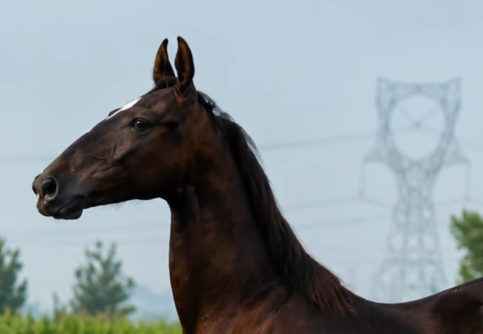 Marwari Horse
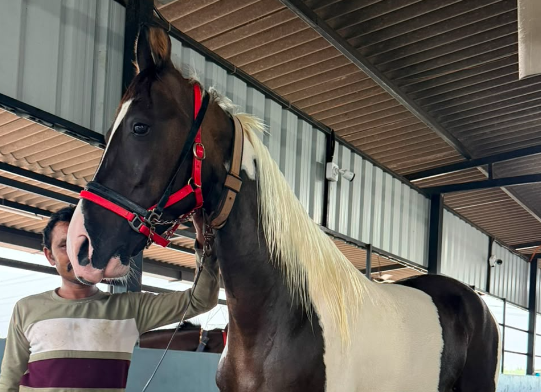 Marwari Horse
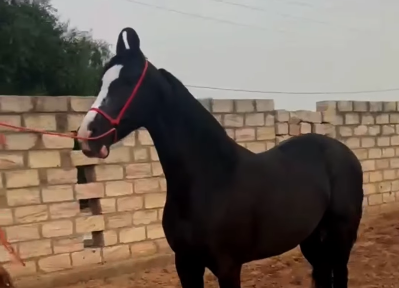 Marwari Horse