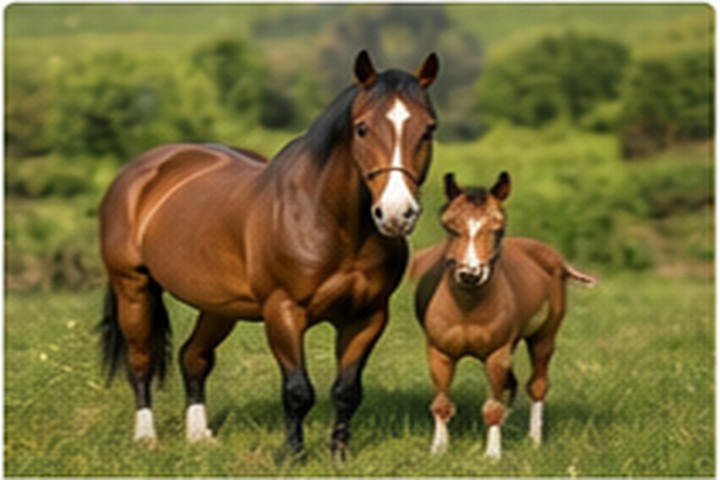


As the monsoon sweeps across India, Marwari and Kathiawari stud farms face humidity, damp barns, and a surge in mold, aflatoxin risk, and parasite activity. This practical guide offers a budget-friendly approach to forage storage and feeding that preserves nutrition, minimizes spoilage, and keeps horses healthy through the rains. It is designed for real-world farms—from small family-run outfits to larger setups—where cost discipline and sensible planning deliver real benefits. For broader context on our equine community, you can explore our stud-farm listings at Explore stud farms or browse horses at Browse horses.
Monsoon challenges for forage on Indian stud farms

The monsoon season shifts the balance of forage quality and availability. High ambient humidity accelerates mold growth in stored hay and silage, while rain-driven ground moisture can compromise outdoor curing and drying processes. In addition, damp pastures and ponds create conditions for parasite blooms and bacterial growth that can stress horses and complicate feeding routines. The goal is to keep forage dry, accessible, and nutritious, while staying within a modest budget and avoiding drastic changes to the horses’ regular rations.
Core principles of a monsoon-resilient forage plan
Moisture control and drying habits
- Harvest forage only when it’s truly dry, and store it under cover as soon as possible to minimize exposure to rain-drenched air.
- Before storage, perform a simple tactile check: forage should feel fairly dry to the touch and break rather than bend when flexed. If it feels damp, give it additional air-drying time in a shaded, well-ventilated space before stacking.
- Avoid stacking hay directly on concrete or soil; use pallets or raised platforms to improve air circulation around the bale core.
Budget-friendly storage structures and practices
- Use a simple shed with raised sides or a tinned roof with overhangs to keep rain off the stacks while allowing airflow. A ventilated wall or mesh panels at the upper level help circulate air and reduce condensation at night.
- Cover hay with breathable yet water-resistant tarpaulins, ensuring there is an air gap between the tarp and the bale surface to prevent condensation. Secure edges to minimize wind-driven moisture entry.
- Store forage in small, clearly labeled lots so spoiled bales can be separated quickly. Keeping an eye on the bottom layers helps catch moisture before it spreads up the stack.
- For farms with limited space, consider modular, stackable racks or tiered pallets that maximize air flow around each bale while keeping foundations dry.
Mold, aflatoxin risk, and waste reduction
- Eliminate any visibly moldy or musty bales from the feeding plan. Isolate, record, and remove suspect forage promptly.
- Rotate stock to feed oldest inventory first, reducing the chance of extended storage and late-season spoilage.
- Practically, rely on sensory checks—smell, texture, and visual cues—to flag suspect forage. When in doubt, discard rather than risk contaminant exposure to horses.
- Keep the feed area clean and dry; damp floors and spilled water can foster mold growth and attract pests that worsen contamination risks.
Feeding protocol that maintains nutrition during monsoon
Ration planning for Marwari and Kathiawari
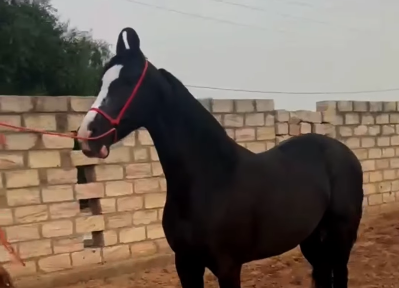
Marwari and Kathiawari horses often rely on forage-dominated diets during the monsoon, with concentrates added as needed to meet energy requirements. Start with a baseline that favors high-quality, mold-free forage, and adjust calories based on activity level, body condition, and climate-driven changes in metabolism. Use smaller, more frequent meals when possible to support digestion in humid conditions and reduce bouts of post-meal colic risk associated with abrupt large meals.
Feeding frequency, palatability, and practicality
- Divide daily forage into 2–4 feeds, spread through the day to minimize gut load during hot or humid periods and to support steady energy release.
- Offer forage in clean, dry racks or troughs. Clean feeders daily and remove leftover damp forage to limit mold hotspots.
- Water should be clean and available; monsoon humidity can alter thirst cues. Check hydration by monitoring muzzle moisture, skin elasticity, and overall activity.
Dry forage versus silage or preserved forage in Indian climates
Dry hay remains the most practical option for many Indian studs. Where feasible, small-bale silage or wrapped forage can be considered by farms with training in fermentation practices and access to suitable storage; however, this guide emphasizes straightforward, affordable steps that most farms can implement without specialized equipment. Always weigh the cost, labor, and risk against the nutritional gains for your specific herd.
Parasite bloom prevention in the monsoon
Humid, damp environments favor parasite lifecycles. While forage storage and selection won’t replace a veterinary deworming protocol, minimizing damp bedding, promptly removing spoiled feed, and maintaining clean feeding areas can reduce parasite exposure. Manage paddock hygiene, ensure drainage around forage storage areas, and monitor grazing pastures for moisture pockets that attract snails and other intermediate hosts. Regular, targeted parasite control under veterinary guidance remains essential.
Monitoring, quick checks, and a practical rhythm
Establish a simple, repeatable routine that fits your farm’s scale. A weekly mini-audit can save feed and horses in the long run:
- Inspect storage stacks for condensation, moisture pockets, and mold signs. Re-stack if needed to improve airflow.
- Audit the feeding area for cleanliness and dryness. Remove any damp bedding or leftover forage promptly.
- Track daily feeding acceptance and horse condition, noting any changes in appetite, stool, or energy that may signal nutrition or parasite concerns.
- Keep a small stock of dry, mold-free forage ready as a reserve for unexpected monsoon downpours or delivery delays.
A practical 90-day starter plan
Below is a phased approach that aligns with typical Indian monsoon patterns. Adapt timing to local rainfall, farm layout, and horse needs. The aim is to prevent spoilage while keeping Marwari and Kathiawari horses happy and healthy.
- Month 1: Harden storage and refine checks. Sort forage into dry and suspect piles. Begin weekly inspections and establish a clean, dry feeding zone. Rotate stock so the oldest forage is used first.
- Month 2: Improve airflow and cover. Add breathable tarps and ensure pallets or racks create air gaps. Begin light, evenly distributed feeding with consistent portions.
- Month 3: Optimize inventory and contingency. Build a small reserve of dry forage and confirm water quality in the stables and feed areas. If needed, consider small amounts of fresh, high-quality forage to complement rations during peak humidity periods.
On-farm practicalities and quick-start checklist
- Keep forage from touching ground; elevate on pallets and ensure a dry subfloor.
- Cover with breathable tarps; leave space for air movement to minimize condensation.
- Discard moldy or musty bales; label and separate from usable stock.
- Maintain a simple inventory log to track intake against stock on hand, so you don’t lose track during heavy rains.
- Limit moisture sources near feed storage—keep the area ventilated and dry.
Resources and practical connections
For broader farm planning, you can explore our community resources and networking options at Explore stud farms and Browse horses. If you’re seeking supplier options or vendor guidance, consider visiting Vendor Program or our main portal Visit IETA.
FAQ
How can I tell if stored forage is safe during monsoon?
Rely on smell, texture, and appearance. Fresh, well-ventilated forage should smell clean and not musty. Moldy or damp forage often has a sour or off smell and a damp feel. When in doubt, remove and discard suspect bales to protect your horses.
How often should storage areas be checked during heavy rains?
Perform a quick check at least weekly, and after heavy rains or strong winds. Look for condensation on bale surfaces, pooling water, and signs of pest activity. Address issues promptly to prevent spoilage from spreading.
Is it okay to mix forage types during monsoon?
Mixing can be acceptable if all forage is mold-free and of good quality. Ensure that the mixed forage maintains overall nutritional balance and is fed in appropriate portions to support energy needs and digestion in humid weather.
What should I do with a bale that shows mold or mustiness?
Do not feed moldy forage. Isolate the bale, remove it from the main stock, and dispose of it safely. Review storage conditions to prevent recurrence and consult your veterinarian or extension service if you’re unsure about safety.
Explore India’s Equine Marketplace
Discover horses, stallions, stud farms and trusted equine services on IETA.
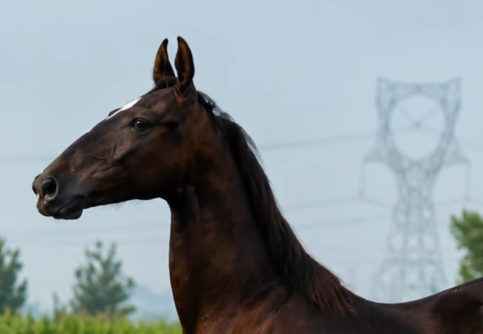 Marwari Horse
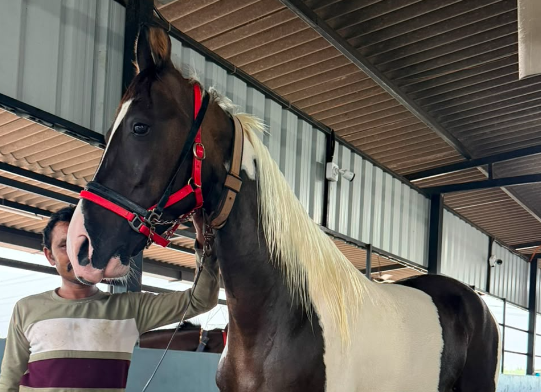 Marwari Horse
 Marwari Horse